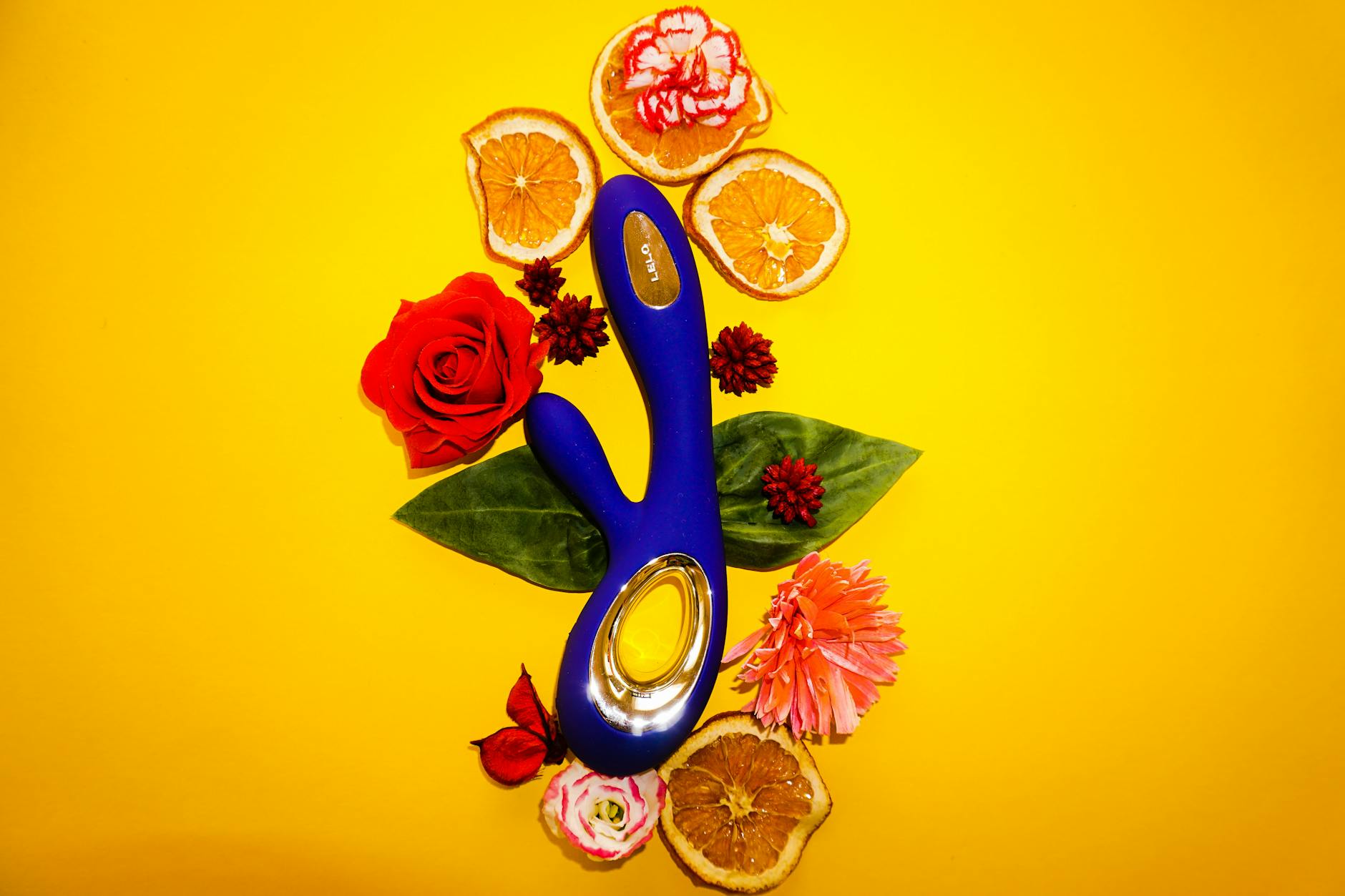
Here's the thing about clitoral nerve endings
Your clitoris has roughly 8,000 nerve endings packed into a space the size of a pea. That density is both a gift and a puzzle. Most clitoral toys aren't designed around this biology. They're designed around what feels powerful in the moment. That's why so many people end up with numb, overstimulated clits by the end of a session.
The real question isn't which toy is strongest. It's which one respects your nerve architecture.
The problem with traditional vibration
Bullet vibrators and wands use rhythmic oscillation to stimulate nerves. They vibrate at speeds ranging from 50 to 100+ Hz, and they apply direct, repetitive pressure to tissue. For people with average or hardy clitoral sensitivity, this works fine. For anyone with tender tissue, prior numbness, or heightened sensitivity from age, medication, or health changes, traditional vibration can feel like too much too fast.
Here's what happens neurologically. Your nerve fibers have a threshold for stimulation. Once you cross it, the nerve can fire repeatedly. But if you stay above that threshold for too long with the same stimulus, the nerve habituates. It stops responding. This is why many people need to keep increasing the intensity during a session to feel anything at all.
Wands amplify this problem because of their broad contact surface. Pressure spreads across a larger area, which can feel diffuse and require more intensity to feel localized pleasure.
Bullets solve for precision but still rely on pure vibration. They also heat up during use, which some people love and others find uncomfortable.
Why air-suction works differently
Lemon clitoral vibrators and similar air-suction toys use a completely different mechanism. Instead of vibrating, they create rhythmic pulses of gentle suction and release. This mimics the sensation of oral sex more closely than any other toy design.
The neurological advantage is significant. Suction stimulates nerves through tissue compression and release rather than direct friction. Your clitoris expands slightly with arousal, and suction gently pulls the tissue, then releases. This pulsing action keeps nerves alert without hammering them into submission.
Because the stimulus changes rhythmically rather than staying constant, nerve habituation happens much more slowly. Many people report that air-suction toys like the Lem deliver more intense orgasms with less physical sensation overall. You're using your nervous system more efficiently.
Temperature is another factor. Air-suction devices don't heat up the way vibrators do. For people with sensitive tissue or vulvodynia, this matters. Heat can feel unbearable.
Direct comparison: vibration types
Lemon vibrators (air-suction). Gentle pulsing, no direct friction, no heat. Best for: sensitive nerves, recurrent numbness, texture preferences favoring suction sensation. Orgasm quality: often reported as deeper, more full-body. Battery life: typically 60-90 minutes. Price range: $65-$99.
Wand vibrators. Broad, flat head with high intensity. Best for: people who prefer power and don't mind breadth. Orgasm quality: quick and straightforward, but can feel surface-level. Battery life: varies widely. Price range: $40-$120.
Bullet vibrators. Small, precise, high-frequency oscillation. Best for: direct clitoral application, travel, simplicity. Orgasm quality: fast, but risk of overuse numbness. Battery life: 45-60 minutes. Price range: $25-$80.
Dual stimulation (internal plus external). Vibrating shaft with external stimulator. Best for: partnered play or people wanting simultaneous sensations. Orgasm quality: complex, multi-sensation. Battery life: 60+ minutes. Price range: $60-$180.
Rotating toys. Oscillating or rotating motion instead of vibration. Best for: variety seekers, people who find vibration fatiguing. Orgasm quality: rhythmic, meditative. Battery life: 60-120 minutes. Price range: $40-$150.
The sensitivity variable no one talks about
Clitoral sensitivity isn't fixed. It changes across your cycle, with stress, medication, age, and arousal level. Someone with robust sensitivity at 30 might have tender, easily fatigued nerves at 45. Someone on antidepressants might feel numbing that resolves months after stopping the medication.
This is why comparing toys in isolation is misleading. A wand that felt amazing last year might feel too intense now. A bullet you couldn't feel might suddenly feel brilliant.
If you're dealing with changing sensitivity, air-suction lemon vibrators have a real advantage. The lower-intensity pulse gives you more room to work within your current threshold. You're less likely to overshoot into pain or numbness, and less likely to habituate mid-session.
I recommend people with fluctuating sensitivity start here, then experiment outward. You can always try higher intensity later. You can't unumb a nerve that's been hammered.
The pleasure-per-pressure ratio
This is the metric I actually care about. It's the amount of orgasmic intensity you get relative to the physical stimulation your body has to endure.
Traditional vibrators have a high-stimulation, high-intensity curve. You need significant vibration to feel anything, and that stimulation can exhaust your nerves.
Air-suction lemon vibrators have a gentler curve. You get noticeable sensation at lower pressure settings. Orgasms build gradually and tend to be more sustained. You're not racing against nerve fatigue.
This matters for sustainability. If you have sex regularly or masturbate frequently, pleasure-per-pressure saves your tissue from chronic overstimulation.
Intensity settings and what they actually do
Most lemon adult toys have 5-10 intensity levels. Here's what's actually changing.
On lower settings (1-3), suction is gentler and pulses are slower. The sensation is almost teasing. For warm-up or people with high sensitivity, this is where the real magic happens. Many people discover orgasms here that they'd never access with a vibrator cranked to level 7.
Mid-range settings (4-7) increase suction strength and pulse speed. Sensation becomes more focused. This is where most people land during a session.
Higher settings (8+) are intense, fast, almost overwhelming. Useful for people who need significant stimulus or for people who want quick release after a slow build-up. But if you start here, you miss the whole point of air-suction design.
The setting you need is the lowest one that feels good. Not the highest one you can tolerate.
Why lemon sexual toys win for nerve protection
Here's the direct answer: air-suction design respects the way your clitoral nerves actually work. Instead of overstimulating quickly and relying on habituation (which is why vibration intensity always creeps up), suction stimulates through a different pathway. Nerves stay responsive. Tissue stays comfortable. Orgasms stay intense.
Compare this to a bullet vibrator, which can numb your clitoris in 10 minutes if you're not careful, or a wand, which can feel too diffuse if you need precision.
Lemon clitoral vibrators aren't magic. They're just better designed for how your nervous system actually works.
People also ask
Can lemon vibrators cause nerve damage?
No. Air-suction toys are among the safest clitoral stimulation options because they apply less direct pressure than vibrators or wands. The suction-and-release motion doesn't create the repetitive friction that can irritate tissue. That said, overuse of any toy can temporarily irritate the clitoris. If you feel soreness, stop for a few hours and return to lower settings next time. Persistent pain warrants a conversation with a gynaecologist.
How long does it take to feel sensation with a lemon vibrator if I'm numb from vibrator use?
Tissue sensitivity typically returns within 3-7 days of rest from intensive stimulation. During that recovery period, switch to lower-intensity tools like your hands or a lemon vibrator on its lowest settings. Some people report that air-suction sensation feels novel and exciting even during recovery because it's such a different stimulus. You're essentially retraining your nerves to respond to a new type of input.
Do lemon clitoral vibrators work for everyone?
Most people with clitorises find them effective, but sensation preference is individual. Some people find suction feels strange at first. If you're used to high-intensity vibration, gentler suction might feel underwhelming initially. Give it 3-4 sessions at low settings before deciding. Once your nervous system adjusts, intensity often feels more satisfying than it ever did with traditional vibrators.
Are there downsides to air-suction compared to vibration?
A few. Air-suction toys are generally louder than bullets. They're more finicky about seal contact. If the toy isn't positioned precisely, suction breaks and sensation disappears. Some people find this frustrating. Also, they take longer to work than high-powered vibrators. If you want a 2-minute orgasm, you might want a wand instead.
Can I use a lemon vibrator with a partner?
Absolutely. Air-suction toys work well during partnered sex for clitoral stimulation. They're less likely to cause numbness if your partner is using it on you, so you can enjoy longer sessions. Some people use them during penetration for added sensation. Others find the seal breaks too easily during movement, so communication about positioning matters.
How do lemon vibrators compare in price to other clitoral toys?
Lemon clitoral vibrators typically run $65-$99, which is mid-to-premium range. Bullets cost $25-$80. Wands span $40-$120. You're paying for precision engineering. Air-suction toys require more sophisticated mechanisms than simple oscillating toys. Most are rechargeable and long-lasting, so the per-use cost is reasonable over time.