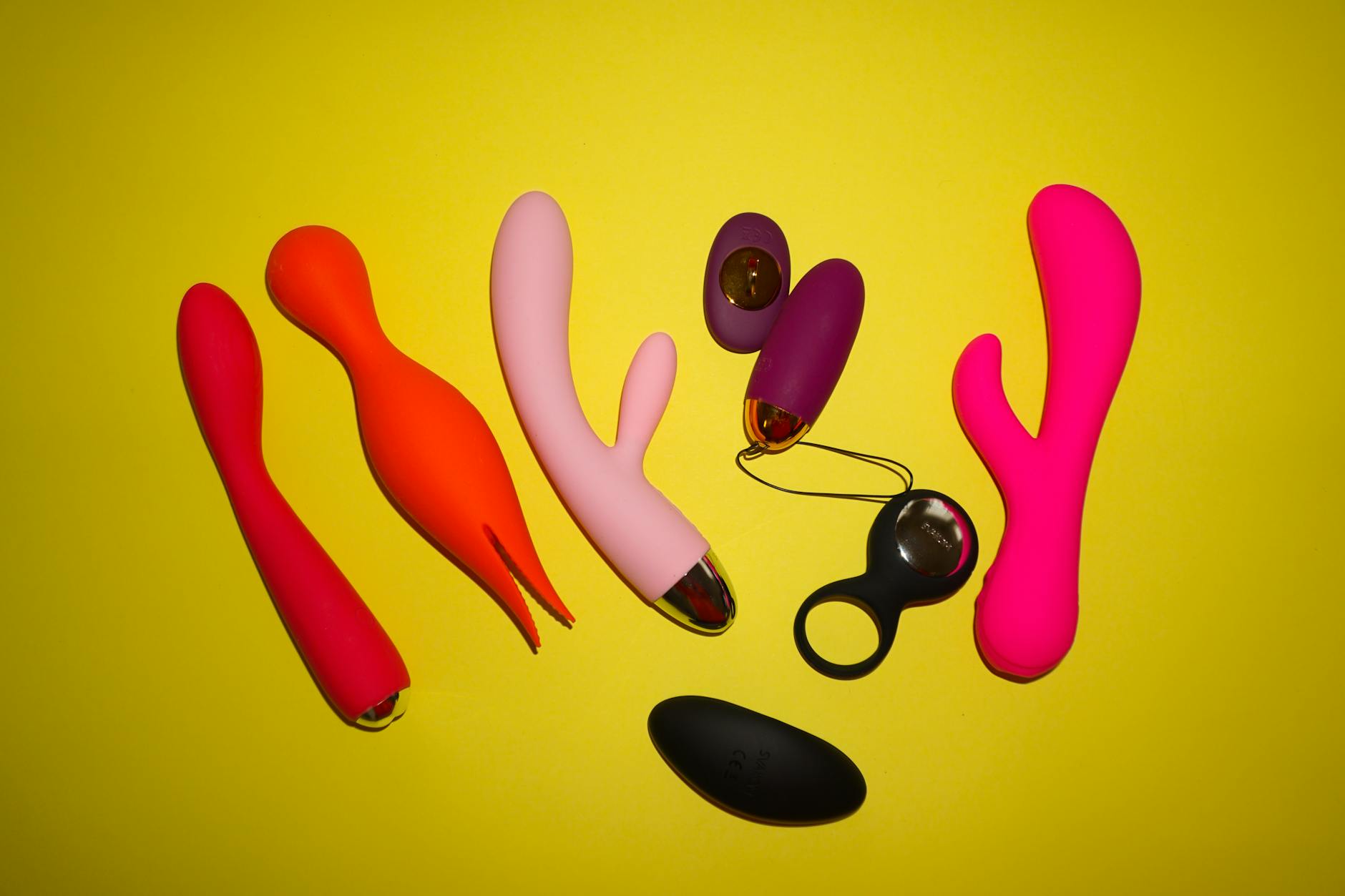
Let's talk about fit
Here's the thing: buying a lemon vibrator without knowing your body's actual baseline is like buying shoes online without measuring your feet. You might get lucky. You'll probably spend fifty bucks to find out it doesn't work for you. I see this constantly in my practice, with clients who buy the trendy toy, use it twice, and then feel like their body is broken instead of just mismatched to the equipment.
Your body is not the problem. The fit is.
Understanding clitoral architecture
Not all clitorises are built the same way, and that matters way more than most toy recommendations admit. Some people's clits sit deeper under the hood. Others have more external prominence. Some have dense nerve clusters concentrated in one spot. Others have sensation spread across a wider area.
This is not a spectrum from "normal" to "weird." It's just anatomy. And when you know your own blueprint, choosing a lemon clitoral vibrator becomes straightforward instead of guesswork.
Three key variations to think about:
Depth and positioning. If your clitoris sits deeper under the clitoral hood, you'll want a toy with a narrower, more pointed tip that can reach under that tissue. If it's more external and forward, a broader contact surface will feel better. The Lem's suction design is particularly effective here because it creates a seal around tissue regardless of exact positioning, which is why many people find lemon vibrators work better than traditional vibrators for variable anatomy.
Nerve density and sensitivity. Some people have incredibly dense nerve clusters. Others have lower baseline sensitivity and need more stimulation to trigger response. This isn't about being "broken"—it's about how your nervous system is wired. Dense nerve spots benefit from lighter, more precise stimulation. Lower sensitivity often responds better to broader, slightly more intense patterns.
Tissue thickness and resilience. Hormonal changes, age, and individual variation all affect how thick your clitoral tissue is and how it responds to sustained pressure. If your tissue is thin or easily irritated, gentler suction patterns work better. If your tissue is thicker, you can handle higher intensities without discomfort.
Body type and positioning
Let's be direct: where your clit sits in relation to your vulva shape, your thigh size, and your torso affects which toys actually reach comfortably.
If you have a fuller vulva or carry more tissue, you might need a toy with a slightly longer stem or one that's easy to angle, because access changes. The Lem's compact design works beautifully here because you're not fighting with a wand's length or a rabbit's bulk. A lemon sucker sits right where you need it without awkward positioning.
If you have a very petite vulva or your clitoris sits further back, you might need something smaller and more precise. Some lemon vibrators come in different tip sizes for this exact reason. Knowing your own dimensions helps you pick the right size immediately instead of ordering three toys to figure it out.
Body positioning also matters. If you like lying on your back, the angle of approach is different than if you prefer being on your side or stomach. Some people need leverage from below. Others need approach from above. There's no "right" way—but your preferred positions do inform which toy shape and size will feel instinctive to use.
Sensitivity baseline and progression
One of the biggest mistakes I see is people with low baseline sensitivity buying a gentle toy and then feeling disappointed. The toy isn't broken. It's just not strong enough for that particular nervous system.
If you've never orgasmed before or it takes you a very long time to climax, you likely have lower sensitivity baseline, which means you need a lemon clitoral vibrator with stronger suction patterns and more power. Don't feel bad about this. It doesn't mean anything except that your body requires more stimulus to cross the threshold. The Lem's variable intensity levels let you start gentler and build up, which helps you learn what your body actually needs.
If you can orgasm easily with manual stimulation or have always been quick to climax, you might have higher sensitivity baseline. In this case, lower-intensity patterns on a lemon sucker often feel more precise and more pleasurable than the full-power setting. You're not broken if strong vibration feels overwhelming. You're just sensitive.
Progression matters too. You might start with low intensity and find that over weeks or months of use, your baseline shifts slightly as your nervous system becomes more attuned. This is completely normal and actually a sign things are working. Your body is learning.
Hormonal and life-stage considerations
Your hormones absolutely reshape what works for you, and this is worth acknowledging directly.
If you're in your reproductive years with regular cycles, your sensitivity to stimulation actually changes throughout your cycle. High estrogen weeks often mean more responsive tissues and easier arousal. Low estrogen weeks (pre-period) might require a bit more intensity or warm-up time. This isn't a flaw. It's information. Knowing this helps you pick a lemon vibrator with variable intensity so you can adapt throughout the month.
If you're post-menopausal or managing hormonal conditions that lower estrogen, your tissues thin slightly and sensitivity can shift. Why Lemon Vibrators Feel More Intense After Menopause covers this in detail, but the quick version is: lemon clitoral vibrators are often a better choice than traditional vibrators because suction feels gentler on thinner tissue while still being highly effective.
If you're on hormonal birth control, some people notice their baseline sensitivity drops slightly. This is real and worth planning for. You might need a slightly more powerful setting than you expected.
Medication, medical history, and sensation
Some medications genuinely affect arousal and sensation. SSRIs, blood pressure meds, antihistamines, and others can dampen sensitivity or make orgasm harder to reach. This is not your fault and not a reflection of your capacity for pleasure. It's a side effect worth naming.
If you're managing medications that affect sensation, you'll benefit from a lemon sucker with multiple intensity levels so you can dial up the power without switching toys. You might also find that certain times of day feel better (medication timing affects this) or that longer warm-up periods help bridge the gap.
Similarly, if you're healing from injury, surgery, or trauma in your pelvic region, your baseline sensitivity might be different. Gentle lemon vibrators and suction-based toys are often recommended by pelvic floor specialists in these situations because they don't require the same direct pressure as traditional vibrators.
Testing before you commit
Here's my practical advice. If you can, try a friend's toy first or visit a shop where you can handle the toy to get a sense of size and weight. You don't need to test it (that would be weird), but you can learn if it fits your hand, if the tip size looks right, and if the weight feels manageable.
Read reviews specifically from people who describe their own anatomy or sensitivity. "This is perfect for sensitive clits" tells you something. "This was too weak for me" tells you something else. Match those descriptions to your own baseline.
Buy from a retailer with a clear return policy. Hello Nancy stands behind their products, and if a lemon vibrator doesn't work for your body, you can return it instead of eating the cost. That permission to experiment actually makes it easier to get the right fit.
Consider starting with a mid-range intensity toy if you're unsure. The Lem sits in that sweet spot. It's not the gentlest option out there, but it's also not the most intense. For most people, that's the safest first purchase. If you realize later that you need something stronger or gentler, then you know.
The role of your partner (if you have one)
If you're using a lemon clitoral vibrator with a partner, communicating your body's actual needs matters just as much as picking the toy. "This pattern feels better for me" or "I need more warm-up time" or "Lower intensity is actually more effective" is useful data, not criticism.
Many partners are relieved to learn this because it shifts the pressure. You're not asking them to be different. You're asking them to understand your body better. That's a different and much lighter conversation.
Making your choice
Here's what you actually need to decide:
Size: Compact and precise, or broader contact area?
Intensity range: Do you need variable power levels? Most people do.
Suction versus vibration: If you've had trouble with traditional vibrators or have sensitivity concerns, Does Lemon Vibrator Suction Work Better Than Traditional Vibration? breaks down the difference. For most bodies, suction-based lemon vibrators offer more control and less jarring sensation.
Material and texture: Do you have latex or silicone sensitivities? All Hello Nancy toys are body-safe silicone, which is a solid starting point.
Ease of cleaning and charging: A toy you actually use beats a toy that's a hassle. Pick something whose maintenance feels sustainable.
Once you've answered those five questions, you've basically picked your lemon vibrator. Trust that process.
FAQ
Is there a lemon vibrator that works for everyone?
No, and anyone who claims otherwise is selling something dishonest. The reason Hello Nancy makes multiple clitoral vibrators is because bodies vary. That variation is normal and expected. What works beautifully for one person might not work for another, and that's not a failure of the toy or your body. It's just a mismatch. The goal is finding your specific fit, not finding the "universal" toy.
How do I know if I have high or low sensitivity baseline?
Think about manual stimulation. Can you orgasm with fingers alone fairly quickly (within 5 to 10 minutes of direct clitoral touch)? High sensitivity baseline. Does it take 20, 30, or 45 minutes of consistent stimulation? Lower sensitivity baseline. Does it rarely happen without external tools? Very low baseline, and you'll want a more powerful lemon clitoral vibrator. This isn't about health or normalcy—it's just your nervous system's wiring.
Can my sensitivity change over time?
Yes, genuinely. Your baseline can shift with hormones, age, stress, relationship changes, medications, and just time spent using toys. This is actually useful because it means you're not locked into one sensitivity forever. You might start with a gentler lemon vibrator and find that after six months, you prefer stronger patterns. That's growth, not damage.
What if a lemon sucker feels too intense for me?
Start with the lowest intensity setting and use it for just 5 to 10 seconds at a time to acclimate your tissues. Many people find that over a few sessions, what felt overwhelming becomes just right. If even the lowest setting is too much, you might need a different toy style, and that's legitimate feedback. Return it and try something gentler.
Do I need to try multiple lemon vibrators before finding one that works?
Some people do. Others get lucky with their first purchase. Since Hello Nancy has a clear return policy and Lemon Vibrators: Complete Guide to Choosing Your First Clitoral Vibrator covers the full comparison, you can be more strategic about your first choice. But if you do order and it doesn't work, that's not a waste. That's data about your body, which is useful.
Can I use a lemon vibrator if I'm sensitive to sensation?
Often yes, and sometimes better than with traditional vibrators. The suction pattern in a lemon clitoral vibrator distributes stimulation more broadly, which many people with sensory sensitivity find easier to tolerate than concentrated vibration. Start with the lowest intensity and work up slowly. If it's still too much, that's useful information too.