Let's talk about the medication elephant in the bedroom
You're on an SSRI for anxiety or depression. Or maybe an antihistamine for allergies, a blood pressure medication, or something else entirely. You didn't expect the trade-off to include your orgasm, but here you are. Sensation feels muted. Arousal takes longer. The thing that used to happen reliably now requires a GPS and a map.
This is not a personal failing. This is pharmacology. And there's actually a workaround.

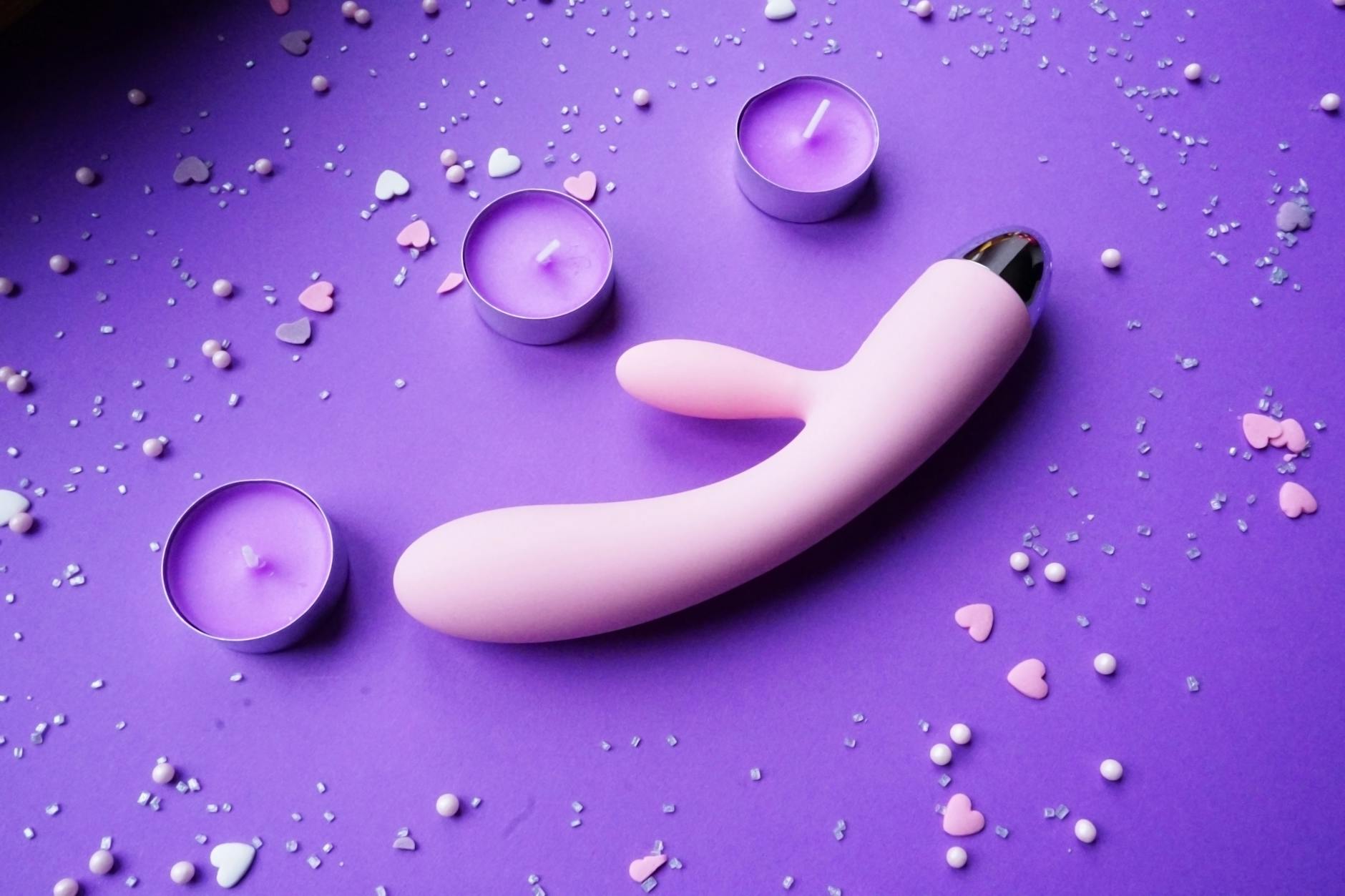
Photo by Vanessa Loring on Pexels
Why medications flatten sexual response
First, the mechanism. SSRIs work by increasing serotonin in your brain, which helps regulate mood but can also suppress dopamine and norepinephrine. Both of those neurochemicals are essential for sexual arousal and orgasm. They're the fuel. When they're dampened, the system runs on fumes.
Antihistamines block histamine, which plays a role in the relaxation and muscle contractions involved in climax. Blood pressure meds reduce blood flow, which means less engorgement and less sensitivity. Antipsychotics, some diabetes medications, even certain hormonal birth controls can blunt the whole cascade.
The result is not broken. It's modified. Your body still wants to respond. The signals just travel slower and quieter than they used to.
Where traditional vibrators hit a wall
Here's the thing about a standard vibrator when you're on medication that affects sensation. It relies on fast oscillation to create enough stimulation to overcome the dampening effect. If your sensory threshold has risen because of what you're taking, you end up chasing intensity. Vibration 10 out of 10. For fifteen minutes. And still nothing.
That's not a failure either. That's just the wrong tool for the altered terrain.
Suction-based stimulation, like you get from a lemon clitoral vibrator, works differently. Instead of rapid vibration, it creates a gentle vacuum and release pattern. The stimulation is more concentrated and happens at lower frequencies, but the sensation is often sharper and more responsive to the nerve clusters involved in arousal.
Think of it as precision over volume.
Why lemon suction toys cut through medication haze
A lemon vibrator uses air-pulse technology to stimulate the clitoris through suction and gentle pulsing. The pattern is slower than traditional vibration and focuses pressure in a smaller area. For people whose sensory thresholds have been raised by medication, this specificity matters.
I've worked with dozens of patients on SSRIs, and the feedback is consistent. They say things like: "I can actually feel something different," or "It's like my body wakes up." That's because suction-based stimulation activates different nerve pathways than vibration alone.
The technology also means you can stay on the medication you need for your mental health without sacrificing your sexual response. This is not a small thing. The standard advice for SSRI-induced anorgasmia used to be either switch medications or just accept it. Now there's a third option.
How to start: settings and strategy
If you've never used a lemon clitoral vibrator before, especially while managing medication side effects, approach it like introducing a new tool, not like proof that your body is broken.
Begin with the lowest intensity setting. Not because you have to, but because it gives you data. You'll feel what the sensation actually is, instead of jumping straight to "maybe the next level up." On a lemon vibrator, even patterns 1 and 2 deliver noticeable stimulation. Don't skip them.
Start with exploration rather than a goal. Spend five minutes at each setting just noticing. Where does it feel most intense? How does the sensation change when you shift position slightly? Does it build gradually or feel the same throughout? You're not chasing an orgasm. You're relearning your body's response.
Once you've mapped out what each setting feels like, then you can work upward if you want to. But many people find they don't need to. The precision of suction-based stimulation often achieves what a higher vibration setting would in a traditional toy.
Combining medication-friendly technique with the right toy
Four practical adjustments that make a real difference when medication has dulled response.
1. Extend your warm-up. Medication side effects often mean arousal takes longer to build. Budget twenty to thirty minutes instead of ten. Use this time to reconnect with what actually feels good to you, separate from performance pressure. This is not wasted time. This is the work.
2. Use water-based lubricant. Yes, always. But especially when medication has reduced natural lubrication. Apply it generously and reapply as needed. Friction without adequate lubrication creates irritation, which further reduces sensation. Lube creates the right friction-to-glide ratio that helps the suction work more effectively.
3. Create a distraction-free window. Medication often dims sensation, so ambient distractions register louder. Turn off notifications. Tell your partner you need uninterrupted time. Your brain needs to focus entirely on the sensation your body is receiving in order to register it fully.
4. Experiment with angles. A lemon clitoral vibrator creates different sensations depending on where it sits and how you angle it. Directly on the clitoris is the obvious choice, but some people find that approaching from the side, or focusing on the area just above the clitoral head, creates a different quality of stimulation that breaks through medication fog more effectively.
When to talk to your doctor about this
If you've been on an SSRI or other medication for a while and sexual response has completely flatlined, bring it up at your next appointment. This is not an embarrassing thing to mention. It's a side effect, and it's worth addressing.
Your options might include adjusting the dose, switching to a medication with fewer sexual side effects, adding another medication to counteract the sexual dampening, or using a tool like a lemon suction vibrator to work around it. A good doctor will have this conversation with you. If yours doesn't, it might be time to find one who will.
The thing most people don't realize: you don't have to choose between mental health and sexual pleasure. These are false opposites. You can have both. It might just require a different approach.
Making pleasure possible again (or for the first time)
Medication-related sexual side effects are wildly undertreated because most people assume there's nothing to be done. You take the med, you accept the trade-off, that's the deal.
But lemon vibrators, particularly their suction-based approach, have opened up a real pathway for people whose sensation has been muted by medication. They're not a workaround you tolerate. They're a tool that actually works.
The lemon clitoral vibrator is designed for sensitivity, which is exactly what medication dampens. Combine that with the strategies above, and you're not trying to force your body back to baseline. You're meeting it where it actually is right now and creating pleasure from there.
Your pleasure matters, even when you're managing other health needs. Actually, especially then.
People also ask
Can you use a lemon vibrator while on SSRIs?
Absolutely. Many people on SSRIs find that lemon clitoral vibrators work better than traditional vibrators for medication-dulled sensation. The suction-based stimulation creates a different nerve pathway activation than vibration alone, and that often breaks through the dampening effect. Start on a low setting and explore what works for your body.
How long does it take to orgasm with a lemon vibrator if you're on medication that affects sex drive?
It varies. Some people find orgasm arrives within five to ten minutes once they've adjusted to the sensation. Others need fifteen to twenty. The timeline isn't the point. The point is that orgasm becomes possible again, rather than something you chase for thirty minutes and abandon. If you're consistently needing more than twenty-five minutes, adjust the setting, change the angle, or check in with your doctor about whether the medication dose is right.
Do lemon sexual toys work for all medications that affect orgasm?
Not universally, but they work for many. SSRIs are the most common culprit for medication-related anorgasmia, and lemon vibrators have high success rates there. Antihistamines and some blood pressure meds also respond well. Antipsychotics and certain hormonal medications can be trickier. If you've tried a lemon suction vibrator and it's not working, a conversation with your prescribing doctor about adjusting your medication might be the next step.
Should you use numbing products with a lemon clitoral vibrator if sensation is very dulled?
No. Numbing products would make an already muted sensation completely inaccessible. Instead, focus on the strategies that amplify what you can feel. More warm-up time. The right angle. Lower intensity used longer. Lube. A lemon suction vibrator already uses a gentler approach than traditional vibrators, so the goal is to enhance that sensation, not mute it further.
Can you combine a lemon vibrator with medications that address sexual side effects?
Yes. Some doctors prescribe medications like bupropion to counteract SSRI sexual side effects, or suggest taking a medication holiday (a strategic break day) once a week. A lemon vibrator can work alongside these strategies. Talk to your doctor about combining approaches, especially if you're already taking multiple medications.
Is it normal to need a lemon vibrator to orgasm after starting medication?
It's normal and common. This doesn't mean your body is broken or dependent on a tool. It means your nervous system has adjusted to the medication, and you've found a tool that works with that new reality. Plenty of people without medication use vibrators. The medication just shifted your threshold. That's not weakness. It's adaptation.