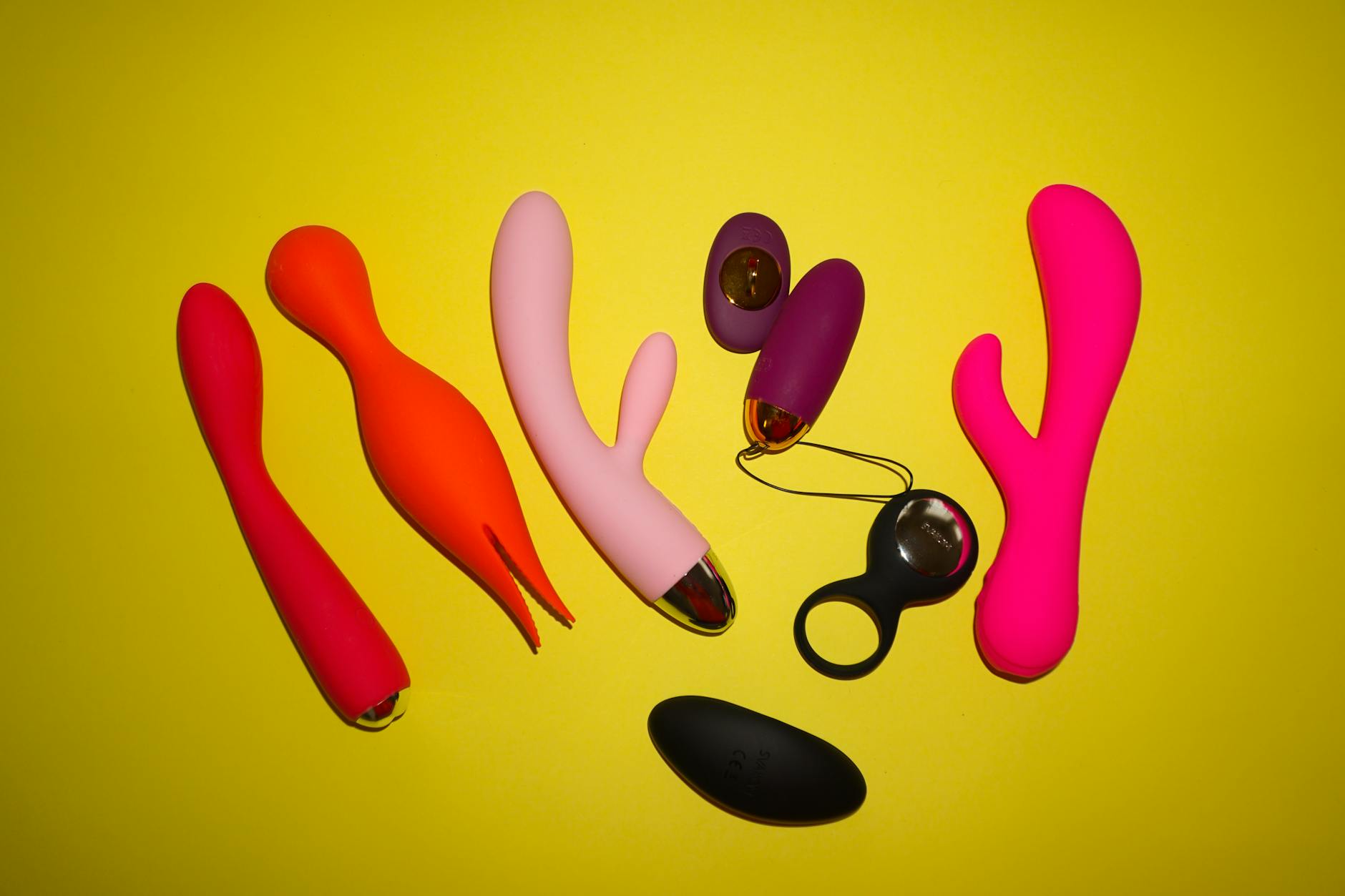
Here's the thing about clitoral numbness
Your clitoris isn't broken. Your nervous system just stopped broadcasting the signal. That's actually good news because it means sensation can come back. You're not dealing with damage. You're dealing with a muted circuit that needs to be woken up again.
Clitoral numbness is weirdly common. It shows up after years of the same touch, during periods of high stress, from certain medications, after surgery, following illness, or from the friction of overstimulation. The clitoris has about 8,000 nerve endings packed into a tiny space. All of that sensitivity can paradoxically work against you if those nerves get fatigued from the same input repeatedly.
The good news is that lemon vibrators (especially air-suction tools like the Lemon Clitoral Vibrator) work differently than traditional vibration. They don't rely on friction or hammering intensity. They use gentle suction to stimulate nerves without the mechanical wear that contributed to numbness in the first place.
Why numbness happens in the first place
There are five main culprits.
Repetitive stimulation. Your body adapts. The same touch at the same intensity stops registering as a stimulus because your nervous system says "we've already catalogued this." It's the same reason you stop noticing your clothes the moment you put them on. Your clitoris gets desensitized by predictability.
Medications. Antidepressants, antihistamines, and blood pressure meds frequently numb clitoral sensation. This isn't a sign they're bad for you. It's a known side effect that improves with adjustment or addition of a complementary medication.
Stress and nervous system dysregulation. Chronic tension triggers your sympathetic nervous system (fight-or-flight). In that mode, your body deprioritizes pleasure sensation. Your clitoris stops receiving full nerve traffic because your brain thinks you should be running, not aroused.
Pelvic floor tension. A tight pelvic floor restricts blood flow and nerve signaling to the clitoris. You might have unconsciously clenched your muscles from years of anxiety, sexual trauma, or the habit of "trying too hard" during sex.
Hormonal shifts. Lower estrogen (menopause, certain birth control, postpartum phase) reduces clitoral blood flow and tissue sensitivity. The tissue itself becomes thinner, which paradoxically can feel more numb even though the structure hasn't changed.
How lemon vibrators rewake sensation differently
Traditional vibrators work through oscillation. They buzz rapidly. Your nerve endings detect this as repetitive motion, and if your body has already tuned out that frequency, you feel nothing.
Lemon clitoral vibrators use air-pulse suction technology instead. They create a gentle vacuum that draws the clitoral tissue slightly inward, then releases. This motion pattern is distinct from what your nervous system has adapted to. It's new information, which means your brain has to pay attention again.
More importantly, suction increases blood flow to the clitoris without creating the friction fatigue that contributed to numbness. Better circulation means better nerve function. Your clitoris literally wakes up because it's getting more oxygen and nutrients.
The rewaking protocol: how to rebuild sensation step by step
Week 1: Introduction at the lowest setting. Start with pattern 1 on your lemon vibrator. Not because you're fragile, but because you're reintroducing your nervous system to pleasure. Spend 10-15 minutes every other day letting your body notice the sensation without the pressure to climax. The goal is sensation, not orgasm.
Week 2: Add texture and position variation. Use the vibrator at different angles. Try it through underwear. Apply it to areas around the clitoris, not just directly on it. Numbness often affects the central area first, so the hood, labia, and surrounding tissue might have more feeling. Work backward to the most sensitive spots.
Week 3: Gradually increase intensity. Move to pattern 2 or 3. Still not chasing an orgasm. Still building awareness. Many people find that sensation returns in micro-increments before suddenly feeling "normal" again.
Week 4 and beyond: Extend exploration time. Once you notice feeling returning, resist the urge to rush back to your old rhythm. Continue the slower pace for 2-3 more weeks. You're not just rewaking sensation. You're teaching your body that pleasure can come from this new input.
The total timeline for sensation recovery is usually 4-8 weeks with consistent, intentional use. Some people feel a difference in days. Others take longer. Patience here isn't optional. It's the actual mechanism of recovery.
What else needs to happen alongside the vibrator
A lemon vibrator is a tool, not a magic fix. Three other things matter equally.
Pelvic floor release. You might need to unclench muscles you didn't know were clenched. Progressive muscle relaxation works. Lie down, tense your pelvic floor deliberately for 5 seconds, then release for 10. Do this 10 times daily. It trains your body to recognize the difference between tension and relaxation. Many people find that pelvic floor release alone restores partial sensation within weeks.
Stress reduction that actually works. Not meditation apps. Not yoga if you hate it. Whatever genuinely calms your nervous system. For some people that's walking. For others it's napping, painting, time alone, or time with friends. Your clitoris will only fully rewake when your threat-detection system believes you're safe. That belief doesn't come from willpower. It comes from actual safety cues.
Partner communication if applicable. If you're with someone, tell them what's happening and what you need. This isn't "my body is broken, sorry." This is "my nervous system is tired, and I'm rebuilding sensation intentionally. This is temporary, and here's what helps." That conversation shifts the dynamic from pressure to partnership. Partners who understand what's happening become allies instead of sources of additional performance anxiety.
When numbness signals something that needs medical attention
Usually, clitoral numbness is mechanical. It responds to the protocol above.
But if numbness appeared suddenly, if it's localized to one side only, if it's accompanied by pain, or if it doesn't improve within 8 weeks of consistent work, talk to a gynecologist or pelvic floor specialist. Rarely, numbness can indicate pelvic nerve compression, undiagnosed diabetes, or other conditions that need clinical attention. Getting that ruled out removes the anxiety that often perpetuates the numbness in the first place.
The emotional piece nobody talks about
Clitoral numbness often comes wrapped in shame. You might believe your body is broken, that you're aging out of pleasure, or that you've somehow damaged yourself. None of that is true. Numbness is feedback. It's your nervous system saying "I need something different." That's not failure. That's information.
Many of my clients report that the process of intentionally rebuilding sensation becomes a turning point in how they relate to their own pleasure. They stop taking feeling for granted. They learn that arousal isn't automatic, and that learning makes them more present, more curious, less rushed.
Your clitoris doesn't need to be fixed. It needs to be reintroduced to pleasure on its own terms.
People also ask
How long does it take for clitoral sensation to return after numbness?
Most people report noticeable improvement within 4-8 weeks of consistent use of a lemon vibrator combined with pelvic floor release and stress reduction. Some feel a shift in 10-14 days. Others need 12 weeks. The timeline depends on how long the numbness persisted, whether you're managing stress, and whether your pelvic floor is releasing. Sensation often returns in waves rather than all at once.
Can antidepressants cause permanent clitoral numbness?
No. Numbness from medication is reversible. It's a side effect of how the drug affects your nervous system, not damage to your clitoris. If your medication is contributing to numbness, you have options: adjusting the dose, switching to a different med, adding a medication that counteracts the sexual side effects, or timing your doses differently. Talk to your prescriber. They've had this conversation many times.
Is a lemon vibrator better than a regular vibrator for numbness?
For numbness specifically, yes. Air-pulse suction (like what the Lemon Clitoral Vibrator delivers) uses a different stimulation pattern than traditional vibration. Because it's novel input, your nervous system engages with it more readily. If traditional vibrators have stopped working, it's often because your body has adapted to that frequency. Suction bypasses that adaptation.
Can clitoral numbness be psychological?
Yes and no. Stress, anxiety, and trauma all reduce clitoral sensation by keeping your nervous system in a protective state. But that's not "all in your head." It's real physiology. When you're in sympathetic mode, your body genuinely redirects blood flow away from pleasure zones. The fix is nervous system regulation, which is as concrete as any other treatment.
Should I see a doctor if my clitoris feels numb?
If numbness appeared suddenly, if it's one-sided, if there's pain, or if 8 weeks of intentional rewaking doesn't help, yes. Most numbness is responsive to the self-directed approach above, but underlying nerve compression, metabolic issues, or post-surgical complications need professional evaluation. Rule those out first so you can focus on rewaking sensation with confidence.
Does numbness mean I'll never orgasm again?
No. Many people with clitoral numbness orgasm with the help of a lemon vibrator and rewaking work. Orgasm might feel different, come slower, or require more sustained attention than before, but it's not gone. Your capacity for pleasure is intact. Your nervous system just needs to register that pleasure is safe and available again.