Let's be real about relationship milestones and sex
You know the script. You moved in together, or got married, or had a baby. Everyone said "congrats," you meant it, and then your libido just disappeared. Not because you stopped loving your partner. Not because something's broken. But because the neurochemistry of your relationship changed, and suddenly sex feels like one more thing on an already full list.
This happens to almost everyone at some point. The good news: it's not permanent, and understanding what's happening in your brain makes it fixable.
Why desire tanks after big relationship transitions
Three things happen simultaneously when you hit a major milestone.
First, novelty evaporates. The nervous system's reward center runs on novelty. New relationship energy is real neurobiology. Dopamine floods your system because everything is unpredictable and new. Move in together, and suddenly you see the same person in the same space every day. Your brain gets less of a hit from that stimulus. It's not that you're less attracted. Your dopamine system is bored.
Second, domesticity creates mental load. There's a reason desire drops hard after moving in or getting married. You're now managing shared calendars, finances, whose turn it is to clean. For many people, especially women in heterosexual relationships, mental load skyrockets. Your brain is running the household operating system 24/7. Sex requires you to quiet that noise and shift gears into pleasure mode. When you're depleted, that shift feels impossible.
Third, the stakes changed. Early relationship sex has a lightness because it's transactional. You show up, you have good sex, you both leave satisfied. Once you're building a life together, sex becomes tangled up with everything else. Performance anxiety creeps in. You're tired. You worry whether your partner finds you as attractive. You wonder if this is normal or if you're drifting apart.
The nervous system reset you actually need
Here's what's counterintuitive: you don't restart desire by trying harder to have sex with your partner. You restart it by interrupting the pattern in your own nervous system first.
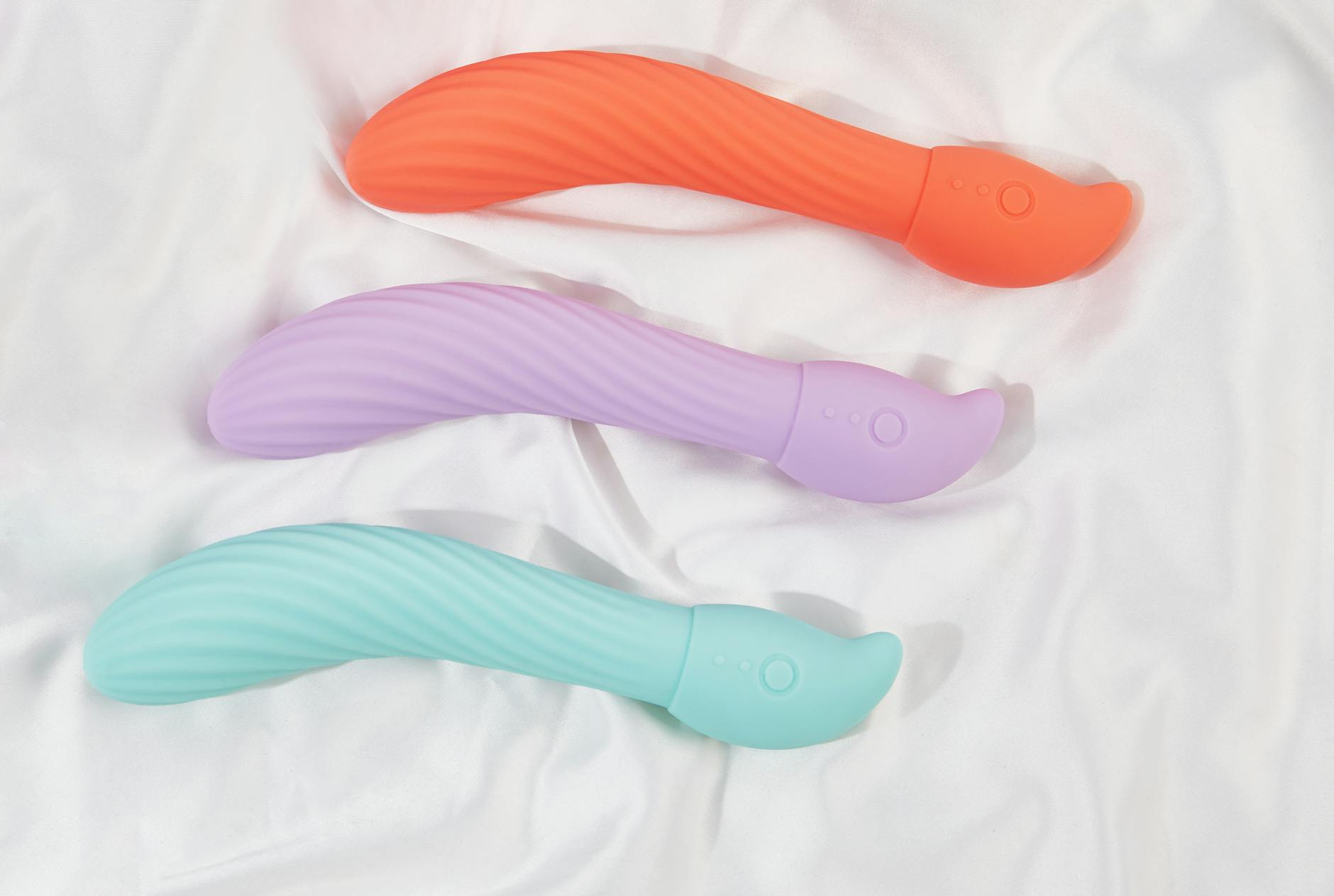
That's where a clitoral vibrator like the Lem comes in. Solo pleasure does something couples sex can't right now: it completely removes performance pressure and mental load. When you use a lemon vibrator alone, your nervous system gets back online with pleasure as the only metric. No one's waiting for you to orgasm. No one's watching. No one needs anything from you.
The Lem's suction-based design is particularly helpful here because it works differently than traditional vibration. Suction stimulates a broader area and requires less active mental engagement. You can lie back and let the physical sensation do the work while your brain quiets down. That's neurologically restorative in a way that partnered sex can't be when you're depleted.
How to rebuild solo pleasure after a milestone
Start simple. Pick a time when your partner is out and you have zero time pressure. Thirty minutes, not five. Your nervous system needs runway to downshift from household-managing mode into sensation mode.
Start the Lem on the lowest intensity setting. The point isn't to chase orgasm fast. The point is to retrain your nervous system that pleasure is possible and that your body still works. Spend 10 to 15 minutes just exploring sensation without any goal. Notice what feels good. This sounds obvious until you realize you haven't paid attention to your own pleasure in months because you've been managing everything else.
When arousal starts building, stay with it. Don't jump to higher intensity. Your nervous system is rusty. Let it move slowly through the stages of arousal. Notice your breath, your heartbeat, the quality of sensation. This is re-establishment, not performance.
Orgasm matters less than you think right now. If it happens, great. If it doesn't, that's also information. Your body is telling you something about how depleted you are or how much mental load you're still carrying. That's useful data.
The conversation with your partner that actually helps
Don't hide what you're doing. The shame around solo pleasure is often what kills couples' sex lives more than anything else. If your partner finds out you're using a lemon vibrator and feels blindsided, that's a sign you're not talking about desire, touch, or pleasure together at all.
Instead, name what's happening without making it about them. "I realized I shut down my own pleasure when we got married, and I'm trying to wake that back up." That's true and it opens conversation instead of closing it.
Many partners feel relieved when you do this. They've been feeling the lack of sex too, but they've blamed themselves. You using a clitoral vibrator isn't a rejection of them. It's you taking responsibility for your own nervous system. That's actually sexy to most people because it's honest.
When to bring the Lem back into partnered sex
Once you've rebuilt some solo pleasure capacity, things shift. You remember that your body can feel good. Your nervous system isn't running on empty. You start actually wanting sex again instead of it being a chore you're forcing yourself to show up for.
That's when bringing a lemon clitoral vibrator into the room with your partner changes everything. Because now you're not asking your partner to be your entire pleasure source. The Lem handles clitoral stimulation while your partner handles penetration, or you use it together just for sensation play. The pressure drops because the pleasure is coming from multiple sources.
Your partner gets to watch you experience pleasure. You get to experience pleasure without managing their pleasure or worrying about performance. The whole dynamic shifts because the stakes got lower and the sensation got higher.
What happens next
This isn't a one-month fix. Your nervous system needs somewhere between three to six months to fully reboot after a major relationship milestone. But you'll notice shifts much faster. Within two to three weeks of regular solo practice with the Lem, most people report feeling desire again, even if it's just a whisper.
The deeper shift is this: you remember that your pleasure belongs to you. It's not something your partner is responsible for managing. It's not something you owe them. It's something you deserve just because you exist and your body is capable of feeling good. Once you really believe that, everything changes. Sex becomes something you want instead of something you manage. And that's the actual antidote to desire dying after a milestone.
People also ask
Why does libido drop after moving in with a partner?
Libido drops after moving in because your nervous system loses novelty (which drives dopamine and desire), mental load increases significantly (especially for women), and sex becomes tangled up with household management instead of being playful and exploratory. It's not about love. It's about your brain switching from pleasure mode to survival and organization mode.
Can using a vibrator alone help me want sex with my partner again?
Yes. Solo pleasure with a clitoral vibrator resets your nervous system's relationship to pleasure independent of your partner's presence or needs. This actually removes performance pressure and makes you remember that you're capable of desire. Most people find that rekindling solo pleasure reignites interest in partnered sex within three to six weeks.
Is it normal to lose all sexual desire right after marriage?
Completely normal. The transition from dating to married life involves a massive shift in how your nervous system is regulated. You're no longer navigating novelty and independence. You're managing shared responsibility. That neurological shift crushes desire for most people, especially in the first six to twelve months. It doesn't mean the relationship is wrong or that you're less attracted.
How do I tell my partner I want to use a vibrator to rebuild my libido?
Name it directly and without shame. "I realized my libido shut down when we got serious, and I want to work on bringing it back. I'm going to try using a vibrator for myself first, just to rebuild that connection to pleasure." Most partners feel relieved because they've been worried about the lack of sex too. You're taking responsibility for your nervous system, which is actually very attractive.
How often should I use a lemon vibrator to rebuild desire?
Start with two to three times per week, 20 to 30 minutes per session, for at least four weeks. The consistency matters more than the frequency. Your nervous system needs repeated positive signals that pleasure is safe and available. After four weeks, you'll likely feel desire creeping back in. Then you can adjust based on what feels right.
Does using a vibrator solo make partnered sex less satisfying?
No. It's actually the opposite. Solo pleasure with a vibrator builds your nervous system's capacity for pleasure overall. It also removes the pressure on your partner to be your entire pleasure source, which makes partnered sex more relaxed and playful. The Lem gives you an additional tool, not a replacement.
What Hello Nancy customers actually say
When people restart with the Lem after a relationship milestone, the pattern is consistent. First comes the relief of remembering that their body still works. Then comes the recognition that they'd turned themselves off as a coping mechanism for feeling overwhelmed. Then comes the actual desire to bring their partner back in, but now without pressure or resentment.
One of the most common things I hear is: "I didn't realize how much I was waiting for my partner to turn me on instead of turning myself on." That distinction rewires the whole relationship. Because now you're partners in pleasure instead of one person responsible for managing the other's arousal.
The milestones that tank libido are real. They matter. But they're also solvable. Your desire didn't die. It got buried under logistics and mental load. The Lem is a tool to dig it back out and remember what wanting actually feels like. And that changes everything.