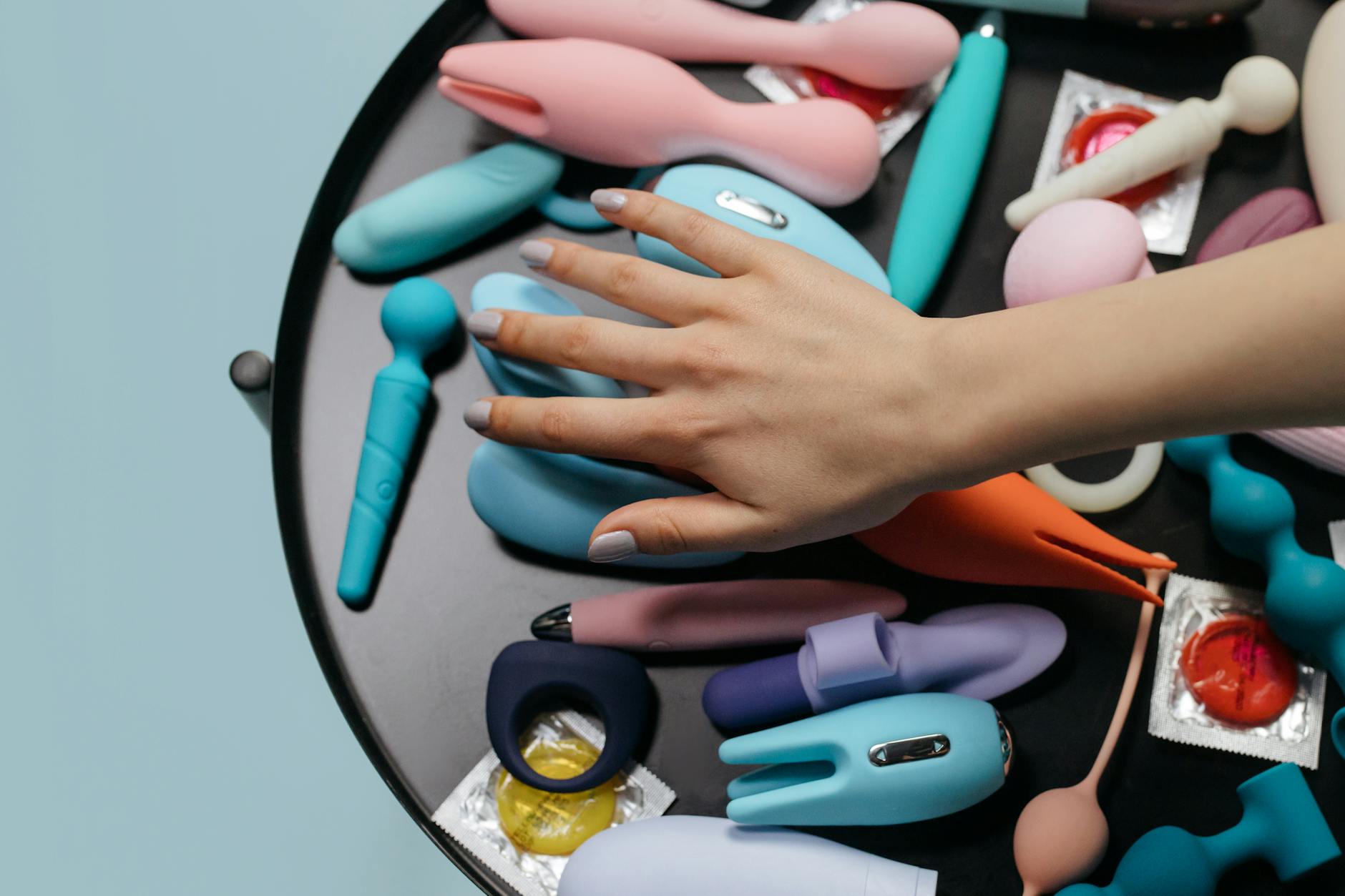
The thing nobody says out loud
Your partner loves penetration. You love clitoral stimulation. This is not a small difference. This is a fundamental mismatch in how your bodies experience pleasure, and pretending it doesn't matter will quietly erode your sex life over months and years.
Here's what typically happens: your partner initiates with what feels good to them. You go along because you want to be accommodating, or because you don't know how to ask for something different, or because you're tired of the same conversation. You end up getting stimulation you don't really want. Your partner, sensing your distance, feels rejected. Eventually, sex becomes something you both avoid because it's easier than negotiating it.
A lemon vibrator changes this equation entirely because it lets both of you get what you actually want in the same moment, without one person compromising.
Why this mismatch happens (and why it's not your fault)
The clitoris and the vagina have different nerve endings and different pathways to pleasure. About 70 percent of people with vulvas cannot orgasm from penetration alone. This isn't a dysfunction. It's anatomy. Your partner's preference for penetration and your need for clitoral stimulation aren't in conflict. They're just different.
But here's where the tension sneaks in: penetration feels like "real sex" to a lot of people, regardless of whose body it actually serves. Clitoral stimulation sometimes gets coded as foreplay, or as something you do when you're alone, or as a backup plan. When one partner's main event is penetration and the other partner's main event is clitoral work, the person who prefers clitoral stimulation often ends up feeling like they're asking for special treatment.
You're not. You're asking for the type of stimulation that your body is built to enjoy.
How a lemon vibrator solves the logistics problem
A lemon clitoral vibrator like the ones from Try Lemon Vibrator uses air-suction technology instead of vibration, which means it stimulates the entire clitoral complex at once. This creates a different type of stimulation than penetration, which makes it the perfect pairing during penetrative sex.
Here's why this matters: you can position a lemon vibrator against your clitoris while your partner enters you. You're both getting the stimulation you need simultaneously. It's not foreplay. It's not a workaround. It's integrated into the same sexual experience.
The suction creates a seal and then releases gently, which stimulates nerves without the friction that can become uncomfortable during penetration. Your clitoris isn't being ignored. Your partner isn't being asked to slow down or stop. You're both fully engaged.
The positioning conversation you actually need to have
Before you bring a lemon vibrator into the picture, you and your partner need a separate conversation. Not during sex. Not right before. A different day, over coffee or dinner, when you both have space to think.
Start with something like: "I want us both to feel good during sex. I know penetration is what does it for you, and I know clitoral stimulation is what does it for me. I've been trying to make it work by just accepting what feels okay instead of what actually feels great. That's not sustainable, and I don't think you want that either."
Then: "I want to try something that means we can both get what we need at the same time. Would you be open to that?"
If the answer is yes, explain the mechanics. A lemon vibrator goes on the clitoris during penetration. It doesn't replace anything. It supplements. Your partner might worry that it means they're not enough. Address that directly: "This isn't about you. It's about me having a body that works the way it works. I want to be fully present instead of half-distracted."
The first time you use one together
Pick a moment when you're already aroused. You don't start with the vibrator. You start with what you normally do. Your partner enters you. Once you're settled, you or your partner turns on the lemon vibrator and positions it against your clitoris.
Start on a lower setting. Pattern 1 or 2. The sensation is different from vibration. It's more of a rhythmic suction and release. Some people find it takes a minute to adjust. Your brain is getting two types of stimulation at once. This is new.
Your partner can keep moving at whatever pace feels good for them. You can move your hips in response to the clitoral stimulation. The two types of pleasure build independently but at the same time. For a lot of people, this creates an intensity that neither type of stimulation alone can reach.
If something feels uncomfortable, stop. Adjust. Try again. This isn't a performance. It's information gathering.
What changes when you both actually feel good
When you can reliably reach orgasm during partnered sex, something shifts in how you show up in the relationship more broadly. You stop resenting the initiation. You stop feeling like you're doing your partner a favor. Sex becomes something you both want, not something you're negotiating.
Your partner also gets something important: they get to see you actually enjoying yourself. A lot of people don't realize how much they're monitoring their partner's pleasure until they stop having to. Your partner can focus on their own body, their own sensation, their own orgasm. It's a relief for both of you.
Over time, this kind of integration changes the texture of intimacy. You're not working around each other. You're working together. The lemon vibrator is the tool, but the real shift is that you've both agreed that your pleasure matters equally.
When you hit resistance
Sometimes your partner will say no. Or they'll say yes and then seem resentful when you actually use it. This is its own conversation, and it's worth having with honesty.
Resistance often comes from insecurity. "If you need a vibrator, I'm not enough." This feeling is real, and dismissing it won't help. But it's also based on a misunderstanding of how bodies work. Explain it plainly: penetration alone doesn't create clitoral stimulation for most people. A vibrator isn't a commentary on your partner's skill or attractiveness. It's physics.
Sometimes resistance comes from a deeper place: maybe your partner learned that good sex means the man initiates and the woman is pleased by penetration, and anything else feels weird or wrong. If that's the case, this might be a moment to work with a couples therapist. Your partner's beliefs about sex are interfering with your pleasure, and that's worth unpacking together.
The conversation keeps evolving
After you've used a lemon vibrator a few times, check in. Not as a performance review, but as a genuine question: "How was that for you? Are there things you want to adjust?"
Maybe your partner realizes they like feeling you come, and the vibrator makes that more likely. Maybe you realize you want a different pattern or intensity. Maybe you find that sometimes you want penetration with clitoral stimulation and sometimes you want something else entirely.
The point is that you've created permission to talk about what you actually want instead of what you think you're supposed to want. That permission applies to everything, not just the mechanics of using a lemon vibrator. It means you can say, "I don't want penetration this time," or "I want more foreplay," or "Let's try something completely different."
That's the real transformation. The vibrator is just the opening move.
FAQ: Pleasure when preferences don't match
Can I use a lemon vibrator during penetration without it being awkward?
It's not awkward once you're used to it. The first time, yes. Logistically, you might need to try a couple of positions to find what works. Missionary or spooning makes it easiest for you or your partner to hold it in place. After that, it becomes another normal part of your sexual routine. No more awkward than a condom.
What if my partner feels like the vibrator is replacing them?
This is about reassurance and understanding. A lemon vibrator stimulates your clitoris. Your partner's penis or strap stimulates your vagina. These are two different things happening at the same time. Your partner isn't being replaced. They're being supplemented. Talk about it explicitly: "I want this because I want to feel good with you, not instead of you."
Does using a lemon vibrator mean I'll stop enjoying penetration alone?
No. Adding a tool to your sexual repertoire doesn't erase other types of pleasure. Some sessions you might use a lemon vibrator. Some you might not. Having options doesn't diminish any of them. It's like learning to enjoy wine and also enjoying beer. The second one doesn't ruin the first.
What if I can't orgasm even with the vibrator during penetration?
First, know that this is common and not a failure. Orgasm during partnered sex is complicated and involves arousal, timing, relaxation, and sometimes luck. A lemon vibrator makes clitoral orgasm more likely, but it's not a guarantee. If it's still not happening, you might be trying too hard. Relax into the sensation without the goal. Or you and your partner might decide that clitoral stimulation gets you there better separately from penetration, and that's fine. The goal is pleasure, not a specific sequence.
Will my partner think I'm not attracted to them if I use a vibrator?
Attraction and sexual response are different. You can be wildly attracted to your partner and still have a body that responds more strongly to specific types of stimulation. The vibrator isn't about attraction. It's about how your nervous system works. If your partner is struggling with this, that's usually about their own insecurity or outdated beliefs about sex. A conversation (or a therapist) can help untangle that.
Can we use a lemon vibrator if we're long distance?
Yes, though it's a different experience. Some long-distance couples use synchronized vibrators where one partner controls the other's remotely. A lemon vibrator can be part of solo or partnered sessions when you're together. The main thing is that you're both on the same page that when you are together, you'll actually prioritize the sex that works for both of you instead of falling into default patterns.
The bigger picture
Mismatched sexual preferences don't have to mean mismatched pleasure. They mean you need tools and communication. A lemon clitoral vibrator is one of those tools. But the real work is the conversation: agreeing that both of your bodies matter, that both of your pleasures are legitimate, and that you're willing to figure out how to satisfy both of them together.
That willingness is what changes everything. The vibrator just makes it possible.