Let's start with what's actually happening
Pelvic injury changes how your body responds to touch. It doesn't erase your capacity for pleasure, but it does introduce a legitimate barrier: fear that sensation will hurt again. That fear is rational and protective. Your nervous system is doing exactly what it's supposed to do. The challenge is learning to move forward without pretending the injury didn't happen.
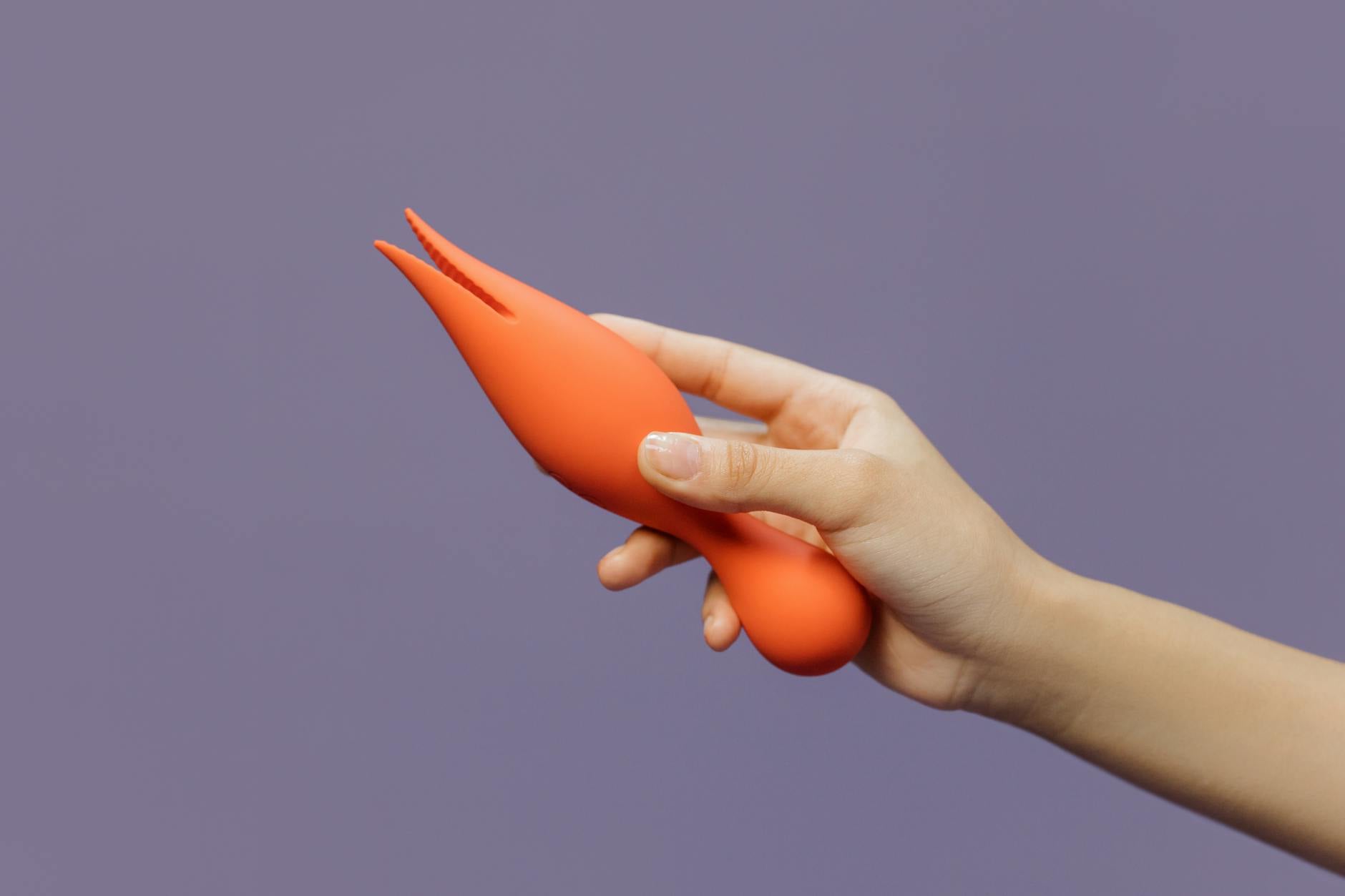
Here's the good news nobody tells you: clitoral vibrators work differently than penetration-based toys. A lemon vibrator uses gentle suction instead of direct pressure or friction. That distinction matters enormously when you're rebuilding after trauma.
Why suction is gentler than traditional vibration
When you've had pelvic injury, vulval tissue is often more sensitive, sometimes raw, and your nervous system is hypervigilant about sensation. Traditional vibrators create repetitive friction. They're fast, they're intense, and they require direct contact that can feel invasive or triggering to healing tissue.
Suction works by creating a gentle lifting sensation. Instead of buzzing against the skin, a lemon vibrator draws the tissue upward in a rhythmic pulse. This approach accomplishes three things simultaneously. First, it avoids the friction that traditional vibrators create. Second, it stimulates the clitoral nerve without requiring the same mechanical pressure. Third, it feels fundamentally different in your body, which can help interrupt the "pain is coming" association that trauma creates.
The suction action is also easier to control. You're not fighting against a constant vibration. You can adjust the pressure by changing your body's angle, which gives you more agency over the sensation.
Starting from the beginning after pelvic trauma
Rebuild with these steps:
Week One: Get to know sensation without pressure. Don't use the lemon vibrator yet. Spend a few minutes a day touching your vulva with your fingertips in a warm bath. This isn't about arousal. It's about normalizing touch and noticing where sensation feels safe versus where it triggers the old fear.
Week Two: Introduce the device off. Hold the lemon vibrator against your vulva while it's off. Notice the weight, the texture, the temperature. Let your nervous system get comfortable with the object itself. No performance, no goal.
Week Three: Start with the lowest intensity. Turn the device to pattern 1. Use it for just 60 seconds at first. Don't aim for orgasm. The goal is to prove to your body that sensation can be pleasant without pain.
Week Four and beyond: Add time gradually. Move from 60 seconds to 2-3 minutes. You'll know you're ready for longer sessions when you stop bracing for pain and start actually relaxing.
This timeline isn't rigid. Some people move through it in a month. Others need three. There's no right speed. You're rewriting your nervous system's expectation, and that takes what it takes.
The role of mental safety alongside physical safety
Pleasure after pelvic injury isn't purely physical. Your brain is the largest sexual organ you have, and it's been trained by trauma to expect pain. That's not something you can logic away or touch away. You have to address it directly.
Before you use a lemon vibrator, decide on what Hello Nancy calls a "safety signal." This is a word, a phrase, or a small action that interrupts the fear loop. It might be: "I can stop whenever I want," or "This is different from what happened," or even just pausing to name one thing you feel in the room that's safe (soft blanket, warm light, the scent of something you like).
Use that signal every time fear shows up. Your nervous system will eventually learn that the signal means "we are safe right now, we can continue." This rewiring is as important as the physical practice.
When to involve your partner
If you're in a relationship, the question of how and when to reintroduce partnered touch is loaded. Many people feel guilty for needing to start over, or they worry their partner will feel rejected. That worry makes sense.
The healthiest approach is separate but parallel exploration. You rebuild your own relationship with pleasure using a lemon vibrator solo first. Your partner rebuilds their patience and shows up without agenda. You have conversations about what you're learning, not while you're intimate. This keeps sex from becoming a negotiation or a therapy session.
When you do involve your partner, the presence of the lemon vibrator can actually lower the pressure. It shifts the focus from partnered penetration or manual stimulation to a third object. That triangulation can feel safer because the focus isn't solely on your body or their body, but on the shared experience of the device.
Pain as information, not a sign to stop
There's an important distinction between pain that means "keep going, this is part of healing" and pain that means "something's wrong, back off." After pelvic injury, that line gets blurry.
Gentle pressure or a slight sting that feels like your tissue is "waking up" is usually normal. Your nervous system is re-learning sensation. Sharp pain, burning that increases, or the sensation of tearing is not. That's the signal to stop, take a breath, and resume another day.
If pain consistently worsens despite weeks of gentle practice, check in with a pelvic floor physical therapist. Some injuries benefit from targeted muscle work before pleasure practice. That's not failure. That's just different information about what your body needs.
The permission piece you're actually looking for
After pelvic injury, people often feel like they've lost the right to pleasure. That your body is now primarily an object that experienced something it shouldn't have, rather than a source of sensation and joy. That's the narrative trauma creates. It's not the truth.
Your capacity for pleasure is still there. It's intact. It just needs to be approached with respect, with patience, and with the understanding that you're not "getting back to normal." You're building something new. Sometimes that new version is actually richer, more intentional, and more aligned with what you actually want rather than what you thought you should want.
A lemon vibrator is a tool for that rebuilding. It's not a substitute for professional support, and it's not a shortcut. But for many people, the gentle suction and the controllable sensation give them a way to practice pleasure on their own terms, at their own pace, until the idea of pleasure stops being tangled up with fear.
People also ask
How long after pelvic injury can I use a vibrator?
Most medical professionals recommend waiting until acute healing is complete, usually 6-8 weeks for an uncomplicated injury. If there was significant trauma, surgery, or ongoing pain, talk to your doctor first. The timeline matters less than your readiness. You can use a lemon vibrator as soon as your body stops experiencing active pain from the injury itself.
Does suction vibrator feel safer than other vibrators after trauma?
For many people, yes. Suction feels less invasive because it doesn't require the same direct friction. But "safer" is individual. Some people find any vibrator triggering early on. Others adapt to suction quickly. Start with the lowest intensity and pay attention to what your body tells you, not what you think you should be able to do.
Can I use lubricant with a lemon vibrator if my pelvic area is healing?
Yes, and often you should. A good quality water-based lubricant reduces friction and can make suction feel less intense. That's usually helpful when you're rebuilding. Make sure the lube is designed for sensitive skin if your tissues are still tender.
What if I never orgasm again after pelvic injury?
Orgasm can return, but the shape of it might be different. Some people find their orgasms change in intensity or sensation. Others take longer to reach orgasm. None of that means you're broken. It means your body has been through something and is responding accordingly. A lemon vibrator can help you rediscover what your specific pleasure looks like now, not what it was before.
Should I tell my partner I'm using a vibrator during my recovery?
That depends on your relationship and your comfort level. If you live together and share intimate space, transparency usually helps. If you're rebuilding trust after injury happened in a partnered context, talking about the device and your recovery plan can actually strengthen connection. You're not keeping a secret. You're inviting your partner into your healing.
How do I know if physical therapy would help alongside vibrator use?
If you're experiencing persistent pain, tension that doesn't ease with time, or if your pelvic floor feels "stuck," a pelvic floor physical therapist can help. They work on tissue flexibility, nerve sensitivity, and muscle tension that vibrators alone won't address. Think of it as parallel care, not either-or.
The actual path forward
Healing from pelvic injury is not linear. Some days your body will surprise you with sensation that feels good. Other days fear will flare for no clear reason. Both are normal. A lemon vibrator isn't a magic tool that erases trauma. But it's a way to slowly, gently, on your own terms, tell your nervous system that pleasure can still be part of your life.
Start small. Respect your pace. Pay attention to what your body tells you. And if you hit a wall, talk to your therapist, your doctor, or reach out to Hello Nancy support. You're not the first person to rebuild after injury, and you won't be the last.