Let's name the thing nobody says out loud
After a break from sex—whether it's been six months, three years, or a decade—your body doesn't always respond the way it used to. That's not broken. That's normal physiology meeting the anxiety of restarting something that feels unfamiliar again.
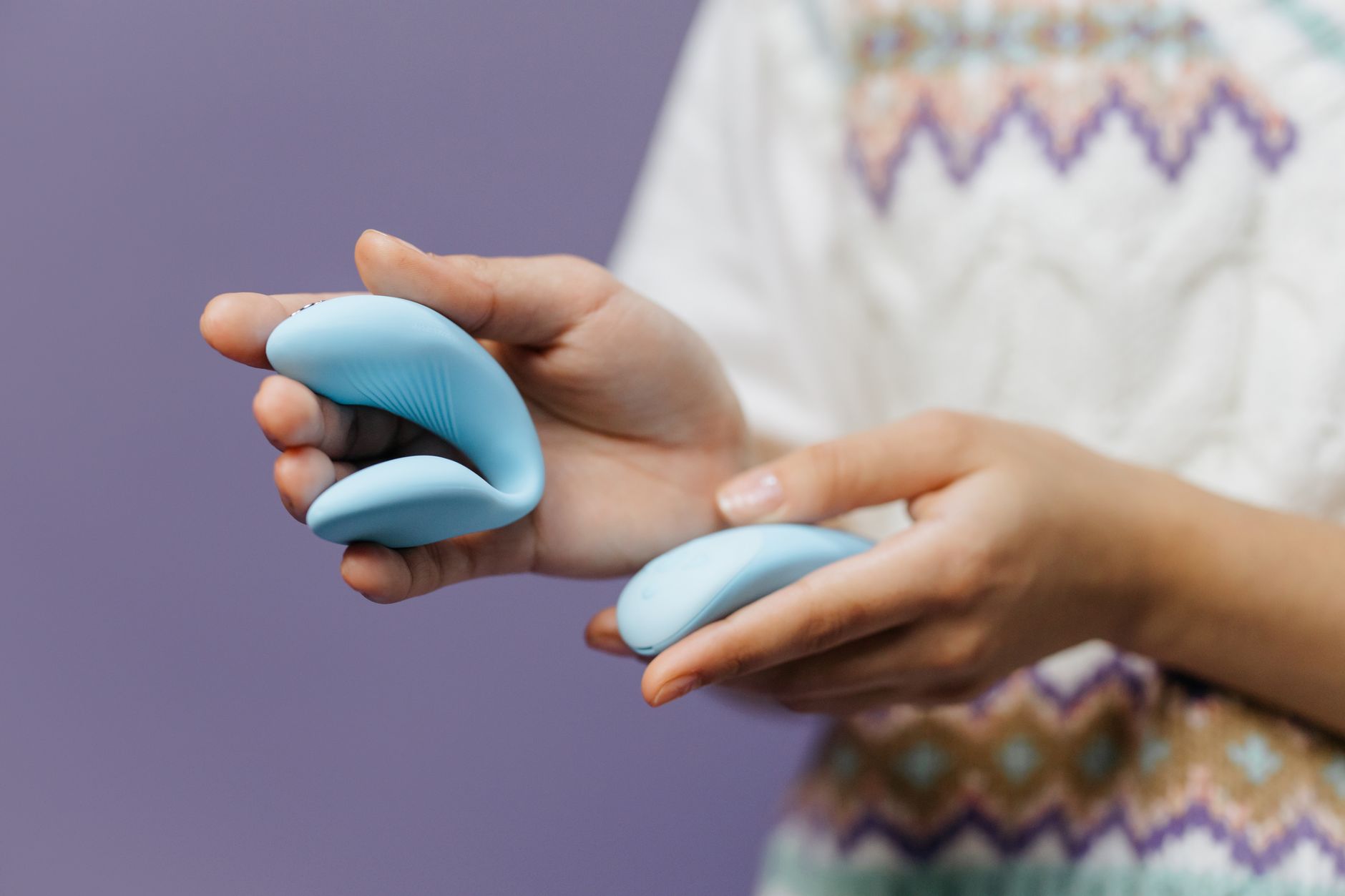
Honestly? A lemon vibrator (or any quality clitoral vibrator from Hello Nancy) can be the gentlest, most effective reset button available. Not because it's a magic wand, but because it removes performance pressure and lets your nervous system re-learn pleasure at its own pace.
Why long breaks change what your body expects
When you haven't had sex for an extended period, three things happen neurologically and physically. First, your arousal neural pathways get quieter. Your brain hasn't been sending the chemical signals that prime your body for pleasure, so it takes longer to wake those systems up again. Second, if you've carried anxiety, shame, or relationship hurt during that gap, your nervous system is primed for caution, not relaxation. Third, your pelvic floor muscles may have tightened from disuse or stress—which can feel like numbness or pain when stimulation returns.
None of this means you've lost your capacity for pleasure. It means your body is being protective.
What makes a lemon vibrator different for restarting
Most people think they need to jump back in the way they left off. They buy a powerful bullet vibrator, expect instant arousal, and then feel disappointed or numb. That approach almost always fails because it ignores the nervous system's need to rebuild trust slowly.
A lemon vibrator (the suction-based design that Hello Nancy offers) works differently. Instead of direct vibration, it creates a gentle pulsing suction sensation that mimics the effect of oral sex. This matters because suction stimulation is:
- Less likely to overwhelm reawakening nerve endings
- Easier to control at lower intensities
- Better at building arousal gradually rather than forcing it
- Able to create sensations your body recognizes as "safe" pleasure
Think of it as the difference between jumping into cold water and wading in slowly. Both get you to the same place, but one doesn't shock your system.
The first week: exploration without expectation
If you're restarting your sex life, your first goal isn't an orgasm. It's reconnection—with your own body, not with a partner's expectations or your own performance anxiety.
Start by using your lemon vibrator alone. Set aside 20 minutes with zero pressure. This isn't a "session" with a goal. Light a candle if you want. Put your phone away. Lie down somewhere comfortable and just hold the vibrator against your vulva at the lowest setting—usually setting 1 or 2.
Don't rush to feel aroused. Just notice: What does this feel like? Is it too intense or too gentle? Does the sound bother you? Are you clenching your pelvic floor from nervousness?
Most people discover, in that first week, that their body responds better than expected. Often there's gentle tingling. Sometimes sensation feels muted. Both are information, not problems.
Building the bridge: weeks two through four
Once you're comfortable with the sensation and the basic rhythm, you can start experimenting with slightly higher settings and longer durations. Aim for 15 to 25 minutes of exploration. The goal is still not an orgasm—it's rebuilding your body's trust that pleasure is safe.
During this phase, notice what you actually enjoy. Some people prefer the concentrated pressure of the lemon vibrator held directly on the clitoris. Others prefer it angled slightly below or to the side. Some want it moved slowly. Others want it held still. Your preferences might have changed since your last active period, and that's completely normal.
If you're working with a partner, you don't need to involve them yet. This phase is yours alone. What you learn about your own body will make partnered sex infinitely easier when you're ready.
The partner question: when and how
If you're returning to sex with a partner and there's been a long gap, the reintroduction of a clitoral vibrator can feel loaded. "Does he/she/they not satisfy me anymore?" is what people worry about. Here's the honest answer: introducing a lemon vibrator isn't about your partner's adequacy. It's about your nervous system's need for a slower rebuild than partnered sex typically allows.
Talk about this directly. Something like: "I'm rebuilding my comfort with my own body after this gap. I'd like to spend a few weeks reconnecting with myself using a vibrator. Then we can explore how to include that together." Most partners respond well when they understand it's not about them.
After four to six weeks of solo practice, you can invite a partner into the experience. Some couples find that their partner using the lemon vibrator on them during foreplay feels safer and more intimate than jumping back into partnered sex. Others use it for self-pleasure while their partner is present. Neither approach is "right"—only which feels sustainable for you.
What to expect emotionally
Here's what nobody tells you about restarting your sex life: it's not just physical. Your brain might get flooded with old fears, memories, or shame depending on why the gap happened. You might feel grief that time has passed. You might feel triggered by sensation itself.
All of that is welcome information. If you feel emotional using a vibrator, pause. Breathe. Maybe journal about it. Then resume when you're ready. Your body and mind are recalibrating together.
If you notice that weeks of exploration still bring anxiety or numbness, talk to a therapist or sex counselor. Sometimes past trauma or relationship dynamics need professional support alongside physical reawakening.
The pelvic floor piece people forget
After a long sexual hiatus, your pelvic floor muscles often tighten defensively. When you're not having penetrative sex or partnered intimacy, those muscles can get tight and weak simultaneously—a weird paradox that creates sensation that feels numb or even painful when you try to restart.
While you're using your lemon vibrator, pay attention to whether you're clenching. During arousal, the pelvic floor should gradually relax and release—not tighten. If you notice clenching, take a breath and consciously soften the area. It helps to think of your pelvic floor like a door that's been locked for a while; you're learning to unlock it again.
Some people benefit from pelvic floor yoga or gentle stretching. That's worth exploring in parallel with vibrator use.
Common friction points and how to solve them
Numbness: Your nervous system might take longer to wake up than you expect. This doesn't mean the vibrator isn't working. It means your arousal timeline is slower. Budget more time. Keep using it. Numbness usually shifts within a few weeks of consistent (but pressure-free) use.
Shame or awkwardness: You're not broken for taking a break from sex. Your body isn't damaged. If shame keeps surfacing, write about it or talk to someone you trust. The feeling usually fades faster when it's named.
Discomfort during sensation: If any stimulation feels painful rather than numb, check in with a gynaecologist. Sometimes extended breaks correlate with other physical changes worth ruling out.
Partner pressure: If a partner is pushing you to "get back to normal" faster than feels comfortable, that's a relationship dynamic worth examining—possibly with help. Your timeline for restarting is yours.
When to reach out for support
If you've been exploring solo for six to eight weeks and still feel completely numb or anxious, talking to a sex-positive therapist can help untangle what's happening psychologically. There's no shame in it. Sometimes our brains and bodies need professional support to rebuild trust.
You can also reach out to Hello Nancy directly if you have questions about how to use your lemon vibrator or whether it's the right fit for your needs. The team there understands the nuance of restarting and can suggest resources or alternatives if something isn't landing.
The long view
Returning to your sex life after a long break isn't a sprint. It's a slow, curious re-entry into a part of yourself that's been quiet. A lemon vibrator removes the pressure to perform and lets you set your own pace. Most people find that within two to four months of gentle, consistent exploration, their arousal returns and feels richer than it did before the break.
Your pleasure deserves space and patience. A quality clitoral vibrator gives you both.
People also ask
How long does it typically take to feel arousal again after a long sexual break?
There's no fixed timeline, but most people notice small shifts in arousal within two to three weeks of consistent solo exploration with a vibrator. Full arousal capacity—where your body responds quickly and intensely—often takes six to twelve weeks, depending on how long the break was and what emotional barriers exist. If you're not noticing any shifts after eight weeks, talking to a therapist or sex-positive GP is worth considering.
Can I use a lemon vibrator if I'm currently in pain during sex?
If penetrative sex is painful, starting with a clitoral vibrator can actually help. Clitoral stimulation doesn't require penetration, so you can experience pleasure and arousal without triggering pain. However, pain during or after sex is always worth checking out with a gynaecologist to rule out physical causes. Once those are cleared, a vibrator becomes a valuable tool for rebuilding comfortable sensation.
Should I tell my partner I'm using a vibrator while we're trying to restart our sex life?
Yes, if you're in a committed relationship. Not as "I need this because you're not enough," but as "I need this to rebuild my own comfort with sensation at my pace." Most partners appreciate the honesty and often feel relieved that there's a clear plan for restarting rather than ambiguous pressure. If a partner responds defensively, that's information about the relationship that might warrant a deeper conversation—possibly with a couples therapist.
What if a lemon vibrator feels too intense when I'm trying to rebuild arousal?
Start at the lowest setting and keep the vibrator just barely touching your vulva rather than pressed firmly against it. You can also place a thin cloth between the toy and your skin to reduce intensity. Some people prefer shorter sessions—even five to ten minutes—spread across several days rather than longer sessions. There's no "right" duration. The goal is consistent, gentle re-engagement, not intensity.
Is it normal to feel emotional or sad while using a vibrator after a long sexual break?
Completely normal. Your body holds emotional memory. When you restart sexual sensation, sometimes grief about the time that passed, shame about the break, or other feelings come up. Let them. Cry if you need to. Pause if you need to. Your nervous system is processing. If emotions feel overwhelming rather than manageable, talking to a therapist can help you move through them without getting stuck.
How does using a lemon vibrator solo prepare me for partnered sex again?
Using a vibrator alone teaches you what your body actually wants—not what you think you should want or what a partner expects. You learn your preference for pressure, rhythm, and timing. You rebuild the neural pathways for arousal in a low-stakes environment. When you return to partnered sex, you already know what works for you, so you can communicate clearly. Partners also tend to feel less pressure when they know you've done the preliminary work.
Ready to restart?
If you're contemplating returning to your sex life after a gap and feel stuck on where to begin, you're not alone. A quality lemon vibrator from Hello Nancy paired with patience and self-compassion goes a remarkably long way. Your pleasure is worth the time it takes to rebuild. For more guidance on navigating relationship transitions or intimate reconnection, reach out to Hello Nancy or explore resources on how lemon vibrators work for different sensitivities. Your next chapter of pleasure is waiting.