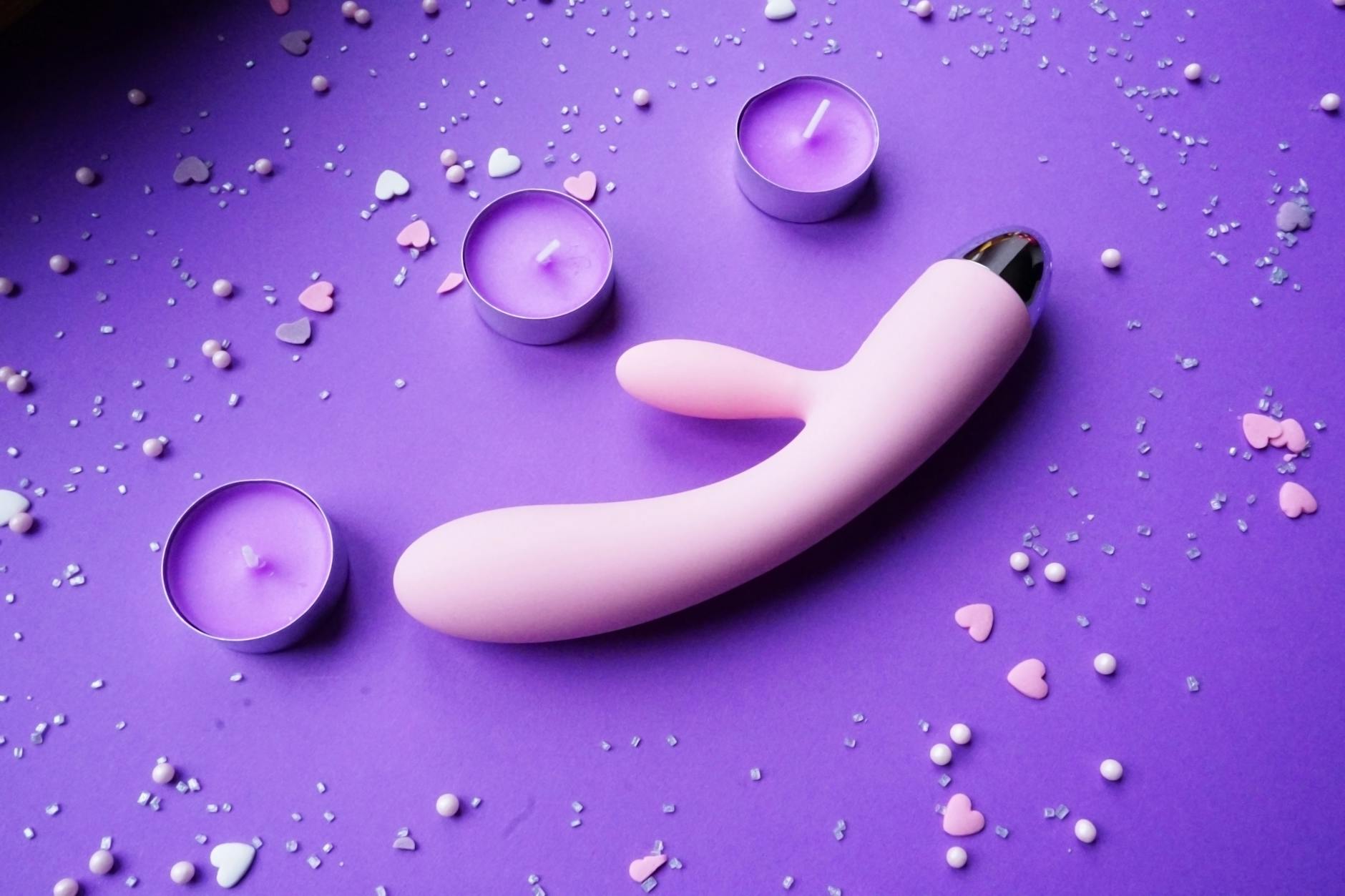
Here's what most couples get wrong about this conversation
People assume bringing a lemon vibrator into bed means announcing a problem. That's the trap. You're not saying "what we're doing isn't working" or "I need something else." You're saying "I want to explore more together." That distinction changes everything.
I've worked with hundreds of couples navigating this exact moment. The ones who thrive aren't the ones with perfect communication skills from the start. They're the ones who separate the logistics from the emotion, pick the right moment, and remember that a clitoral vibrator in a partnership is a tool for shared pleasure, not a replacement.
Why the fear shows up (and why it's normal)
Let's name what's actually happening under the anxiety. You're worried your partner will hear "I need this" as "you're not enough." They're worried offering it means admitting they haven't been paying attention. Or they think you want them to use it on you and suddenly they're expected to be a sex toy operator, which sounds... weird.
These are reasonable fears wrapped in silence. The fix isn't reassurance. It's specificity.
How to start the conversation (not in bed)
This matters: don't bring it up mid-sex or immediately before. You're both vulnerable, post-orgasm blissed out, or in pursuit mode. Your brain isn't available for actual dialogue.
Pick a moment that feels natural but intentional. Not "we need to talk" (panic mode), but something like: "Hey, I've been thinking about something and I want to run it by you." Over coffee. During a walk. Somewhere you can both sit with it without performance pressure.
Some people find it helpful to send a text first: "I want to chat about trying something new in bed. Nothing heavy, just excited about it." That gives your partner time to process without surprise.
The actual script (adapt to your voice)
Here's a real opening that works:
"I've been reading about clitoral vibrators and I'm curious to try one together. Not because anything is wrong. Because I think it would feel really good and because exploring more together sounds fun."
Note what's in there: clarity (what), reason (why), framing (together, fun). No apology, no back-pedaling, no "I'm sorry if this seems weird."
If they go quiet, don't fill the silence with more justifications. Say: "What are you thinking?" Listen. Their objections might be practical ("Will it be weird?" "How does it work?") or emotional ("Does this mean I'm not enough?"). They're two different problems.
Practical questions get practical answers. Emotional fears get reassurance: "This is about us having more pleasure together. Nothing about what we do now is wrong. I just want more."
Timing and framing for different relationship dynamics
New relationship (less than a year): Introduce it as part of early exploration. "I'm really into figuring out what feels good with you. I've been curious about lemon vibrators. Want to try one together?" Lower stakes, easier to frame as mutual discovery.
Long-term partnership: Lead with what you've noticed. "I love what we do. And I've been thinking I want to explore more of what makes me feel alive in our time together. I found something I want to try." This connects it to your investment in the relationship, not dissatisfaction.
Partner with lower libido: Don't frame it as a solution to that problem. Ever. Instead: "I want to have more pleasure in how we connect. This might be fun for both of us to explore." If they're hesitant, ask what would make it feel less pressure-y. Maybe it's trying it solo first, or just using it during foreplay without the performance expectation.
What happens if they say no (or "I'm not sure")
People often think this conversation has a binary outcome. It doesn't. "Not ready" is different from "never." "Nervous about it" is different from "not interested."
If they push back, ask what specifically feels off: the toy itself? Feeling replaced? Worried about performance? Each answer changes the response.
If they're worried a lemon vibrator means they're not enough, you might say: "Partners aren't enough for every type of pleasure, and that's not a failure. I need certain things to really get there, and I want to experience that with you. Using a vibrator doesn't replace you. It adds to what we do." That's not saying "your touch isn't enough." It's saying "my body works better with this kind of stimulation."
If they're willing but nervous, offer to start without penetration. Just explore sensation together. Make it collaborative, not a performance.
Introducing it the first time (the actual logistics)
Don't ambush. "I bought this lemon vibrator, want to try it right now?" creates pressure. Instead: "I ordered that thing we talked about. It'll be here Tuesday. Want to open it together then?"
When it arrives, check it out in daylight. Read the buttons together. Make it familiar, not mysterious. Let your partner hold it, feel the weight, understand how it works. No one feels sexy when they're confused about the equipment.
Your first time using it, you're probably nervous. That's fine. Say so: "This feels a little weird at first but I'm excited about it." Vulnerability softens the strangeness.
Start with lower settings. Why Lemon Vibrator Settings Matter for Different Types of Touch has a full breakdown, but basically: your partner doesn't need to watch you figure out intensity levels mid-intimacy. Start gentle. Build from there.
The partner's role (demystifying it)
Often the person holding the vibrator gets stuck in a helper role. "Am I doing this right? Is this good?" That kills the mood for everyone.
Set expectations: "You don't have to operate this perfectly. We'll both figure out what feels good. If you want to focus on touching me elsewhere, do that. If you want to hold it, hold it. We're experimenting, not performing."
For the partner who's new to this, knowing they can't "mess it up" loosens everything. Clitoral vibrators don't require expert technique. They require presence and willingness to notice what your partner responds to.
What happens after (the real payoff)
Most couples report that the act of using a lemon vibrator together opens something else. Not just physically. The conversation where you named what you wanted and your partner said yes. The willingness to try something vulnerable together. That changes the dynamic.
Some partners fall in love with using a vibrator as part of foreplay. Others prefer it solo. Many report orgasms that feel different, deeper, more satisfying when there's a clitoral vibrator involved. That's real.
Keep talking about it. "What felt good? What was weird? Want to do that again?" These aren't one-time conversations. Sex changes. What works this month might feel different next month. Staying curious together keeps the exploration alive.
When communication breaks down mid-experiment
You tried introducing a lemon vibrator and it felt awkward, or your partner withdrew, or something went sideways. This happens.
Don't push through it in the moment. Stop, check in: "That felt weird. You okay?" Get out of bed if you need to. Sit with the actual feeling instead of trying to fix it with more sex.
Often what's happening isn't about the vibrator at all. It's about feeling watched, or compared, or unseen. Those are real feelings that deserve attention outside the bedroom. How to Use a Lemon Vibrator When Rebuilding Intimacy After Infidelity explores some of that deeper work.
If you're consistently hitting friction around toys or pleasure exploration, that might be a sign you'd benefit from talking to a couples therapist. Not because something is broken, but because a neutral third party can help you both name what's actually underneath.
The real reason this works
When a couple can name what they want sexually and ask for it without shame, everything shifts. Not just sex. The ability to ask for what you need, to hear "yes," and to do vulnerable things together changes how you show up in the whole relationship.
Introducing a lemon vibrator isn't about the toy. It's about the conversation that says "I trust you enough to tell you what I want. I trust you to want that for me. We're in this together." That's the real pleasure in it.
Start small. Stay specific. Keep checking in. The awkwardness is temporary. The intimacy that builds from showing up honestly? That stays.
People also ask
How do I tell my partner I want to use a clitoral vibrator during sex?
Start outside the bedroom with specificity: "I'm curious about trying a lemon vibrator together because I think it would feel really good for me." Avoid "I need this" language; frame it as exploration, not a gap in what you're doing. Ask what they're thinking, listen for the actual concern (practical or emotional), and address that directly. Timing matters. Have this conversation when you're both calm and clothed, not mid-intimacy or in a moment of vulnerability.
What if my partner is insecure about me using a vibrator with them?
Insecurity usually masks one of two fears: that you'll prefer the toy to them, or that you're unhappy with them. Address this directly: "A vibrator isn't a replacement. My body responds to this type of sensation, and that doesn't mean you're not enough." Consider starting with solo use so the toy doesn't feel like a comment on your partnership. Let them watch if they want to, or give them space. Slowly building comfort is better than pushing for immediate acceptance. If the insecurity is deeper, couples therapy can help you both navigate it.
Can we use a lemon vibrator during foreplay without making it weird?
Yes. In fact, that's where many couples feel most comfortable starting. Use it as part of extended warm-up, not as the main event. Let your partner touch you in other places while you're using it, or have them apply it for you. The weirdness usually comes from silence or performance pressure. Keep talking: "This feels amazing," "I like when you..." The normalcy comes from treating it like any other part of sex. After a few times, it stops feeling novel and starts feeling natural.
Should I ask permission before introducing a vibrator in bed?
Absolutely. But "ask permission" doesn't mean requesting approval like a child. It means a real conversation: "I'd like to try something. Is that okay?" and actually listening to the answer. If they say "not yet," respect that. If they say "I'm nervous," ask what would help. If they say "yes," great. The permission isn't a formality. It's a genuine check-in that says "your comfort matters." That foundation changes everything.
What if my partner wants to use a lemon vibrator on me but I'm nervous?
Nervousness is often about loss of control. You can't see what you're not holding, and that vulnerability feels risky. Start by watching. Let them show you how it works. Use it on yourself first so your body knows the sensation. Then have them try while you guide: "A little lower," "slower," "yes, right there." The control lives in your feedback. You're collaborating, not surrendering. Many people find that once they trust their partner's attentiveness, having someone else hold it actually feels better. You get to just receive.
How do I bring up a vibrator if we've never talked about toys before?
The newness makes it easier, not harder. You're not suggesting a change to something you already do. You're suggesting adding something to what you explore together. "I've been reading about pleasure and I'm curious about trying a lemon vibrator with you." Keep it light. Don't make it a heavy conversation. And don't assume they'll say no. Many people haven't considered it simply because no one brought it up. Your curiosity might unlock theirs.
Related reading
If you're thinking about introducing pleasure tools into your partnership, these guides dig deeper into specific situations and dynamics:
How to Use a Lemon Vibrator During Foreplay to Build Arousal Slowly explores the timing and pacing that makes toys feel seamless rather than sudden.
Does a Lemon Vibrator Feel Different Solo vs. With a Partner? breaks down what changes when someone else is in the room, helping you understand the emotional and physical shifts.
If communication has deeper roots in trust or past hurt, How to Use a Lemon Vibrator When Rebuilding Intimacy After Infidelity offers a framework for couples doing the harder work of reconnection.
Have questions about introducing a lemon clitoral vibrator to your partner, or need someone to talk through relationship concerns? Reach out to Hello Nancy and let's talk through what you're navigating.